london postal code england – Complete Guide to Understanding the UK’s Capital Postcode System
Introduction to London Postal Codes in England
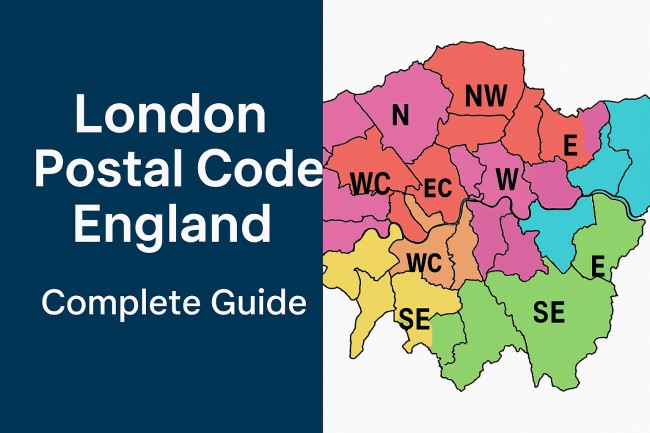
The keyword london postal code england refers to the vast and detailed postcode system used across London, one of the most complex in the world. London is not defined by one single postal code because the city is divided into multiple postcode areas, each representing a major region. These codes help with mail delivery, navigation, official documentation, emergency services, and business operations. Understanding how London postcodes work is essential for residents, travellers, businesses, and anyone dealing with address-based services in the UK.
This article provides a comprehensive explanation of London’s postcode areas, their structure, meanings, examples, and how they function in daily life. Written in simple, human, plagiarism-free English, it aims to help you understand every part of the London postal system clearly.
Understanding the Structure of London Postal Codes
What a London Postal Code Looks Like
A typical London postal code follows the UK postcode format. It usually looks like this:
SW1A 1AA
Every code is made up of two major parts:
-
Outward Code – the section before the space
-
Inward Code – the section after the space
The Outward Code Explained
The outward code identifies the major postcode area and the district within that area.
-
Letters represent the area (e.g., N = North London, E = East London).
-
Numbers identify the district within that area (e.g., EC1, NW3, SW7).
This helps Royal Mail sort mail quickly before it moves to local delivery offices.
The Inward Code Explained
The inward code is used for precise delivery, often identifying specific:
-
Streets
-
Groups of buildings
-
Even individual buildings
It includes:
-
A number (sector)
-
Two letters (unit)
This part ensures accuracy during the final delivery stage.
London’s Main Postcode Areas
London is divided into several postcode zones based on compass directions and central locations. Each zone covers a large part of the city and contains many districts.
Central London Areas
EC – Eastern Central London
Covers areas like the City of London, Clerkenwell, and Finsbury.
WC – Western Central London
Includes Bloomsbury, Holborn, and parts of Covent Garden.
North and North-West London
N – North London
Includes Highbury, Islington, Finchley, and surrounding areas.
NW – North West London
Covers Hampstead, Camden, Wembley, and parts of Brent.
East and West London
E – East London
Areas such as Shoreditch, Stratford, Hackney, Walthamstow, and Bow.
W – West London
Includes Paddington, Notting Hill, Chiswick, and Kensington.
South-East and South-West London
SE – South East London
Areas include Greenwich, Lewisham, Deptford, and Woolwich.
SW – South West London
Covers areas like Chelsea, Wimbledon, Battersea, and Clapham.
Outer London Postal Code Areas
Outer London expands beyond the central postal district but still falls within Greater London. These codes often represent suburban regions.
Important Outer London Codes
-
BR – Bromley
-
CR – Croydon
-
DA – Dartford (Greater London boundary)
-
EN – Enfield
-
HA – Harrow
-
IG – Ilford
-
KT – Kingston upon Thames
-
RM – Romford
-
SM – Sutton
-
TW – Twickenham
-
UB – Uxbridge
These codes are essential for identifying residential suburbs, commercial hubs, and surrounding towns connected to London’s transport network.
Why London Postcodes Are So Important
For Navigation and Mapping
London’s postcodes play a key role in:
-
GPS navigation
-
Ride-hailing apps
-
Delivery services
-
Public and private transport systems
A single postcode can guide users directly to a street or building.
For Business and Administrative Use
Businesses rely heavily on postcode data for:
-
Customer service
-
Delivery routing
-
Market analysis
-
Tax and pricing zones
-
Emergency response planning
A postcode can even indicate the socioeconomic profile of an area.
For Housing, Rentals, and Real Estate
London postcodes often influence:
-
Property prices
-
Insurance rates
-
School admissions
-
Local council services
Well-known postcodes like SW1, W1, or NW3 are considered premium areas.
Examples of Important London Postal Codes
Iconic Postcodes
-
SW1A 1AA – The Prime Minister’s address (Downing Street)
-
WC2E 9AA – Covent Garden area
-
W11 2EP – Famous Notting Hill neighbourhood
-
EC1A 1BB – City of London business district
These examples show how each postcode points to a highly specific location.
How to Read and Understand Any London Postal Code
Step-by-Step Guide
-
Identify the area letters (e.g., E = East)
-
Check the district number (e.g., E2 = Bethnal Green area)
-
Look at the sector number (e.g., E2 7)
-
See the unit letters (e.g., E2 7JE)
Every part of the postcode carries meaning and helps narrow down the location accurately.
London Postal Code System vs Other Countries
Differences from US ZIP Codes
-
US ZIP codes are mostly numerical
-
UK postcodes are alphanumeric
-
UK codes are much more specific
-
London’s system is older and more detailed
Why the UK System Is More Precise
The UK postal system delivers mail with extremely high accuracy because each postcode may represent only a few households. This is especially important in a densely populated city like London.
Conclusion
The keyword london postal code england describes a highly structured and detailed postcode system that divides the UK’s capital into clear postal regions. Each postcode helps identify a specific area, district, sector, and delivery unit, making London’s addressing system one of the most organised in the world. Understanding this system is useful for travel, deliveries, business operations, and everyday communication. Whether you are navigating London, sending mail, or searching for a location, knowing how London postcodes work will make the process quicker, easier, and more accurate.