Why Cracked Pipe Collars Lead to Moisture Problems Around Penetrations
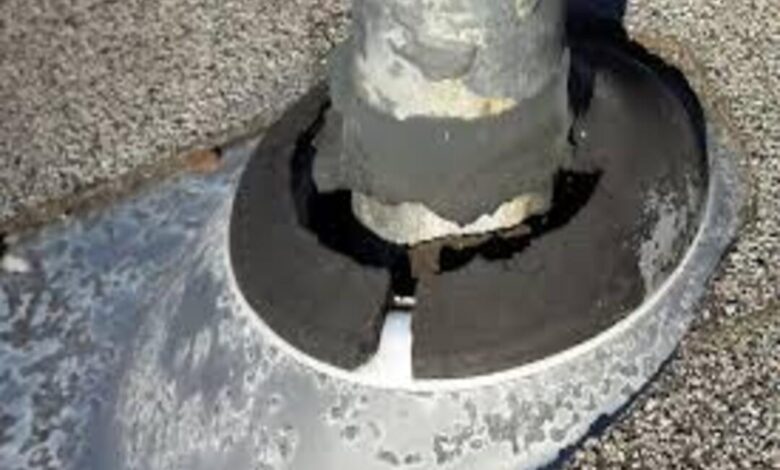
You might not spend much time thinking about the various pipes sticking out of your roof, but they play a vital role in keeping your home functional. These vent pipes allow sewer gases to escape and help your plumbing drain properly. To keep water from slipping into the gaps where these pipes meet your roof shingles, builders install pipe collars or boots. If you are worried about the integrity of your home, hiring a roof repair sandy contractor is the best way to ensure these small components are not failing. A tiny crack in a collar might seem like a minor cosmetic issue, but it is often the starting point for expensive water damage.
Understanding the Anatomy of a Pipe Collar
A pipe collar is essentially a flashing system designed specifically for round penetrations. Most modern collars consist of a metal or plastic base that sits flat against the roof deck and a flexible rubber sleeve that fits tightly around the pipe. This rubber part is often called the boot. It creates a tension seal that prevents rain from running down the exterior of the pipe and into your attic.
Because these boots are made of rubber or neoprene, they are the most vulnerable part of your entire roof system. While your shingles might be rated for thirty years, a standard rubber boot often starts to degrade much sooner. This creates a mismatch in the lifespan of your roof components, meaning you can have a perfectly good set of shingles while your pipe collars are literally crumbling away.
Why Rubber Collars Fail Over Time
The primary enemy of your roof is the sun. Constant exposure to ultraviolet rays causes the oils in the rubber boot to evaporate. Over several years, the material becomes brittle and loses its elasticity. Instead of stretching and contracting with the changing temperatures, the rubber begins to bake and harden.
When the rubber hardens, it develops small stress fractures. These cracks usually start at the top of the boot where the seal is tightest against the pipe. Since the roof expands in the heat of the day and shrinks at night, the brittle rubber eventually snaps. Once that seal is broken, you no longer have a waterproof barrier. Rainwater hitting the pipe simply follows gravity, sliding right through the cracks and straight into your home.
The Sneaky Nature of Moisture Ingress
One of the biggest problems with a cracked pipe collar is that you might not notice a leak right away. Unlike a massive hole in the roof, a cracked boot usually lets in a slow trickle of water. This water often runs down the side of the PVC pipe and drips onto the insulation in your attic.
Because fiberglass insulation acts like a giant sponge, it can hold a significant amount of water before a visible spot appears on your ceiling. By the time you see a brown ring on the drywall, the wood framing around the pipe has likely been damp for weeks or even months. This constant moisture creates the perfect environment for wood rot and mold growth. Since the leak is hidden behind walls or above ceilings, the structural damage is often well underway before the homeowner even suspects a problem.
The Role of Thermal Expansion
Your plumbing pipes are not static. When you run hot water or when the outdoor temperature shifts, the pipes actually move slightly. They expand and contract along their vertical axis. A healthy, flexible pipe collar is designed to handle this movement by stretching.
However, once a collar is cracked or hardened, it can no longer move with the pipe. This movement actually makes the existing cracks wider every single day. Even a dry week can be damaging because the mechanical stress of the pipe shifting can turn a hairline fracture into a gaping hole. This is why a leak often seems to get significantly worse after a season of extreme temperature swings.
Preventing Expensive Secondary Damage
The cost of replacing a pipe collar is relatively low, especially compared to the alternatives. If you ignore a cracked boot, you are looking at potential repairs that include replacing soaked insulation, scrubbing away mold, and patching damaged drywall. In some cases, the water can even travel along the rafters and cause damage far away from the actual pipe, making the leak incredibly difficult to track down.
Routine inspections are the only way to catch these issues early. From the ground, a pipe boot might look fine, but a closer look will often reveal the “alligatoring” or dry rot that signals imminent failure. Swapping out a bad boot before the rainy season starts is one of the smartest maintenance moves a homeowner can make.
Final Word
Taking care of your roof means paying attention to the small details that also do their part in keeping the elements at bay. A simple rubber ring is often all that stands between a dry attic and a moldy mess. If you suspect your home is at risk, reaching out to a pro is necessary. A certified roof repair sandy contractor can help you identify these vulnerabilities before they turn into a crisis. Staying proactive with your pipe collars ensures that your home stays protected for years to come.