antony armstrong jones photographer: The Visionary Behind Iconic Royal Portraits
Introduction
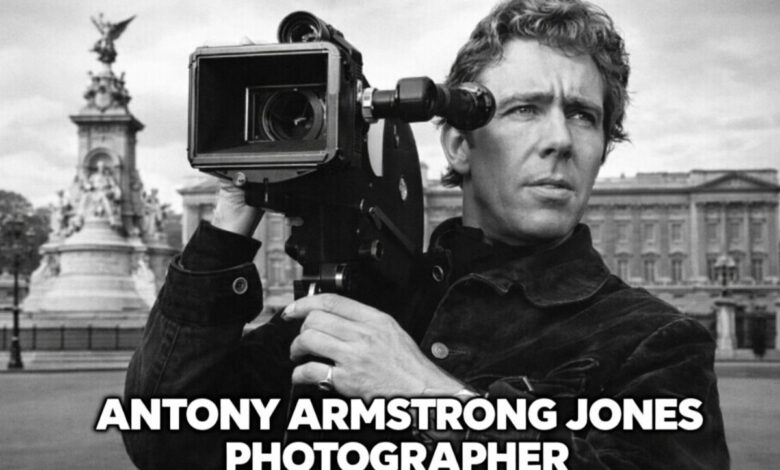
The story of antony armstrong jones photographer is not just about a man with a camera—it is about a creative force who reshaped portrait photography in the 20th century. Known globally as Antony Armstrong-Jones, he brought innovation, emotion, and bold storytelling into every frame he captured.
From photographing royalty to documenting everyday life, his work blended elegance with realism. His unique approach made him one of Britain’s most respected photographers and a cultural figure whose influence still resonates today.
Early Life and Background
Childhood and Education
Antony Armstrong-Jones was born on March 7, 1930, in London, England. He grew up in a well-connected but somewhat unconventional family environment. His early years were marked by a serious illness—polio—which left a lasting impact on his physical health. However, this challenge never limited his creative ambitions.
He later attended University of Cambridge, where he initially studied architecture. Although he did not complete his degree, his exposure to design principles would later influence his photographic composition and style.
Turning Toward Photography
After leaving university, he pursued photography seriously. He trained under Baron Nahum, a well-known society photographer. This apprenticeship gave him practical experience and introduced him to the world of portrait photography.
Rise of antony armstrong jones photographer
Early Career Breakthrough
In the 1950s, Armstrong-Jones began working independently, capturing portraits that quickly gained attention. His ability to reveal personality through subtle expressions and lighting made his work stand out.
He contributed to leading publications like Vogue and Vanity Fair, which helped establish his reputation in both fashion and celebrity photography.
Signature Style
His photography was defined by:
Creative Composition
He often experimented with angles and framing, giving his portraits a dynamic and modern feel.
Use of Light and Shadow
He used lighting not just for visibility but as a storytelling tool, enhancing mood and depth.
Emotional Depth
Unlike traditional posed portraits, his images captured authentic emotions, making them feel alive and personal.
Royal Connection and Global Fame
Marriage to Royalty
A major turning point in his life came when he married Princess Margaret in 1960. She was the sister of Queen Elizabeth II, which brought him into the British royal family.
After the marriage, he was given the title Earl of Snowdon, elevating his public status significantly.
Royal Photography Work
As a royal photographer, he created official portraits of members of the monarchy, including Queen Elizabeth II. His ability to humanize powerful figures made his royal portraits especially memorable.
However, despite his royal ties, he maintained his independent artistic identity, continuing to photograph a wide range of subjects.
Contributions Beyond Photography
Documentary and Film Work
Armstrong-Jones expanded his creativity into filmmaking. He produced documentaries that explored social issues and human experiences. His work often highlighted topics that were overlooked by mainstream media.
Design and Innovation
He was also involved in design projects, including work with London Zoo. His interest in architecture and design remained evident throughout his life.
Advocacy for Disability Awareness
Having lived with the effects of polio, he became a strong advocate for people with disabilities. He worked to promote accessibility and awareness, using his influence to support meaningful change.
Personal Life and Challenges
Marriage and Divorce
While his marriage to Princess Margaret brought fame, it also faced challenges. The couple divorced in 1978, marking the first royal divorce in modern British history.
A Complex Personality
Armstrong-Jones was known for his creative brilliance but also for his complicated personal life. Despite controversies, his professional achievements remained widely respected.
Legacy of antony armstrong jones photographer
Influence on Modern Photography
The legacy of antony armstrong jones photographer lies in his ability to redefine portrait photography. He moved away from rigid, formal poses and introduced a more natural and expressive approach.
His work inspired future generations of photographers to experiment and push creative boundaries.
Recognition and Collections
Many of his photographs are preserved in institutions like the National Portrait Gallery, where they continue to be studied and admired.
His portraits of artists, politicians, and celebrities serve as a visual record of an important era in history.
Style Analysis: What Made Him Unique?
Breaking Traditional Norms
Before Armstrong-Jones, portrait photography often followed strict rules. He broke these conventions by introducing:
- Informal settings
- Unusual perspectives
- Natural expressions
Storytelling Through Images
Each photograph told a story. Whether capturing a royal figure or an ordinary person, he focused on revealing character rather than just appearance.
Balance of Art and Reality
His work balanced artistic creativity with real-life authenticity, making his images both visually striking and emotionally engaging.
Lessons from His Career
Passion Drives Success
His journey shows that passion and dedication can overcome challenges, including health issues and career uncertainties.
Creativity Has No Limits
He proved that photography is not just a technical skill but an art form that allows endless innovation.
Impact Beyond Fame
Despite his royal connections, his true legacy lies in his artistic contributions and social impact.
Quick Info About antony armstrong jones photographer
- Full Name: Antony Charles Robert Armstrong-Jones
- Title: Earl of Snowdon
- Born: March 7, 1930
- Died: January 13, 2017
- Nationality: British
- Profession: Photographer, filmmaker, designer
- Famous For: Portrait photography and royal connections
- Spouse: Princess Margaret
FAQs About antony armstrong jones photographer
Who was Antony Armstrong-Jones?
He was a British photographer known for his iconic portraits and his marriage to Princess Margaret.
Why is he called Lord Snowdon?
He was given the title Earl of Snowdon after marrying into the royal family.
What made his photography unique?
His use of creative lighting, emotional depth, and unconventional composition set his work apart.
Did he only photograph royalty?
No, he photographed a wide range of subjects including celebrities, artists, and everyday people.
Where can his work be seen today?
His photographs are displayed in major institutions like the National Portrait Gallery in London.
What is his legacy?
He is remembered as a pioneer who transformed portrait photography into a more expressive and modern art form.
Conclusion
The journey of antony armstrong jones photographer is a powerful example of how creativity can shape history. From humble beginnings to global recognition, he left a lasting mark on photography and culture.