Ultclub Investigation: How Illegal Data Trading Impacts Victims
In today’s digital world, personal information has become one of the most valuable commodities. Every online account, financial transaction, social media profile, and business database contains data that can be exploited if it falls into the wrong hands. As cybercrime continues to evolve, underground marketplaces have emerged where stolen information is bought and sold. ultclub Discussions surrounding names like Ultclub often highlight the growing concern over illegal data trading and its consequences for individuals and organizations.
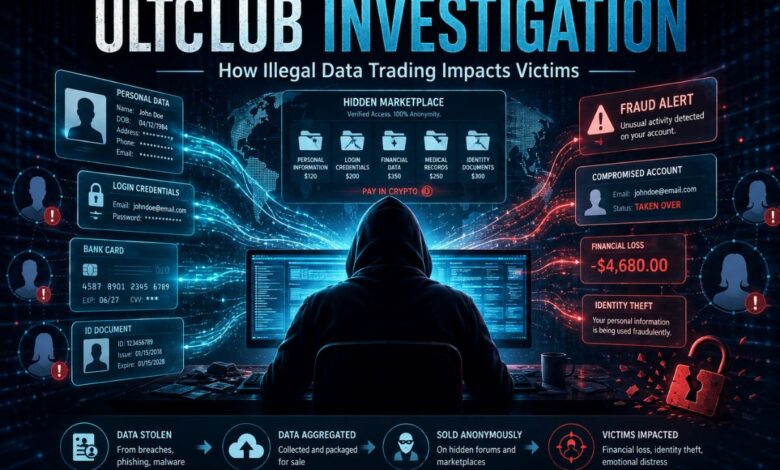
An investigation into the broader phenomenon represented by platforms like Ultclub reveals more than just hidden marketplaces. It exposes a complex cybercrime ecosystem that affects millions of victims worldwide through identity theft, financial fraud, privacy violations, and long-term security risks. Understanding how illegal data trading works is essential for recognizing the importance of cybersecurity and protecting sensitive information.
What Is Illegal Data Trading?
Illegal data trading refers to the unauthorized buying, selling, or exchanging of stolen digital information. Unlike legitimate data collection performed with user consent, illegal data trading involves information obtained through cyberattacks, phishing campaigns, malware infections, or database breaches.
The types of information commonly targeted include:
- Personal identification details
- Email addresses and passwords
- Banking information
- Payment card details
- Government-issued identification numbers
- Medical records
- Business credentials
- Corporate intellectual property
Once stolen, this information often circulates through hidden online communities and underground marketplaces where cybercriminals seek financial gain.
Why Platforms Like Ultclub Receive Attention
Names such as Ultclub are frequently mentioned in cybersecurity discussions because they symbolize the organized nature of underground digital economies. Rather than isolated hackers acting independently, today’s cybercrime landscape often involves structured communities where different participants specialize in specific roles.
Within these ecosystems, some individuals focus on obtaining stolen information, while others verify its quality, package it for resale, or use it to conduct fraud. Although the identities and operations of individual platforms may change over time, the overall model of illegal data trading remains consistent across many underground networks.
Cybersecurity researchers study these environments to better understand emerging threats and develop strategies for preventing future attacks.
How Criminals Obtain Stolen Data
Illegal data trading begins with acquiring valuable information. Cybercriminals use a variety of methods to steal sensitive data, including:
Data Breaches
Organizations may experience security failures that expose customer databases. Attackers often exploit software ultclub.tm vulnerabilities, weak passwords, or misconfigured systems to gain unauthorized access.
Phishing Attacks
Fraudulent emails, text messages, or fake websites trick users into revealing login credentials or financial information.
Malware
Malicious software can secretly record keystrokes, steal saved passwords, monitor online activity, or transfer sensitive files to attackers.
Credential Stuffing
When users reuse passwords across multiple websites, attackers can use credentials leaked from one breach to access accounts on other platforms.
Insider Threats
Employees or contractors with authorized access may intentionally or accidentally expose confidential information.
After collecting stolen information, criminals frequently attempt to monetize it through underground marketplaces.
The Underground Economy of Stolen Information
Illegal data trading operates much like legitimate online commerce. Vendors advertise stolen data, buyers compare available listings, and transactions are often supported by anonymous payment methods.
Some underground communities even include:
- Reputation systems
- Customer feedback
- Escrow services
- Vendor rankings
- Technical support
These features create a deceptive appearance of professionalism despite the illegal nature of the activities.
The existence of organized trading environments demonstrates how cybercrime has evolved into a sophisticated global industry.
How Victims Are Affected
Illegal data trading creates serious consequences that extend far beyond the initial data breach.
Identity Theft
Personal information can be used to impersonate victims when opening financial accounts, applying for loans, or accessing government services.
Victims often spend months or even years repairing damaged credit histories and correcting fraudulent records.
Financial Loss
Compromised banking credentials or payment information may lead to unauthorized transactions, fraudulent purchases, or stolen funds.
Although financial institutions frequently investigate suspicious activity, recovering losses can take significant time.
Privacy Violations
Personal details sold on underground markets may remain available indefinitely.
Information such as home addresses, phone numbers, and private communications can expose individuals to harassment, scams, or additional cyberattacks.
Emotional Stress
The impact of identity theft extends beyond financial consequences.
Many victims experience:
- Anxiety
- Loss of trust
- Emotional distress
- Fear of future attacks
The uncertainty surrounding stolen personal information can have long-lasting psychological effects.
Business Consequences of Illegal Data Trading
Organizations also suffer severe consequences when confidential information enters underground markets.
Potential impacts include:
- Reputational damage
- Customer distrust
- Legal liability
- Regulatory penalties
- Operational disruption
- Financial losses
- Increased cybersecurity costs
Companies may spend years rebuilding customer confidence after a major data breach.
Additionally, intellectual property and proprietary business information can provide competitors or cybercriminals with valuable strategic advantages.
Why Cybersecurity Researchers Monitor Underground Markets
Security professionals closely monitor underground communities to identify emerging threats before they affect larger populations.
Researchers analyze patterns such as:
- Newly leaked databases
- Emerging malware campaigns
- Credential trading trends
- Fraud techniques
- Targeted industries
Threat intelligence gathered from these investigations helps organizations strengthen their security defenses and respond more effectively to cyber threats.
Monitoring underground activity also assists law enforcement agencies in identifying criminal networks and disrupting illegal operations.
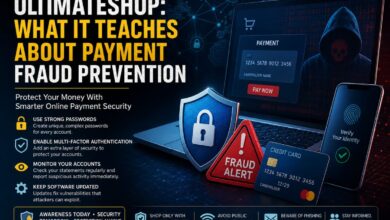
Protecting Yourself from Data Theft
While individuals cannot eliminate every cybersecurity risk, adopting strong security practices significantly reduces exposure.
Helpful security habits include:
- Using unique passwords for every account
- Enabling multi-factor authentication
- Keeping operating systems and software updated
- Avoiding suspicious links and attachments
- Regularly monitoring financial statements
- Checking accounts for unusual login activity
- Backing up important files securely
- Limiting the amount of personal information shared online
These precautions make it more difficult for attackers to exploit stolen information.
The Global Challenge of Cybercrime
Illegal data trading is not limited to a single country or region.
Cybercriminal networks often operate across international borders, making investigations particularly challenging. Differences in legal systems, jurisdiction, and international cooperation can slow enforcement efforts.
At the same time, digital technologies continue evolving rapidly. Cloud computing, artificial intelligence, cryptocurrency, and connected devices create new opportunities for innovation while also introducing additional cybersecurity challenges.
This constantly changing environment requires ongoing collaboration between governments, technology companies, financial institutions, cybersecurity professionals, and internet users.
Looking Ahead
As organizations improve cybersecurity defenses, cybercriminals continuously adapt their techniques. New phishing methods, sophisticated malware, artificial intelligence-assisted attacks, and social engineering tactics are expected to remain major concerns in the coming years.
The underground economy represented by discussions surrounding names like Ultclub illustrates how organized cybercrime has become. Rather than isolated incidents, illegal data trading now functions as part of a larger digital ecosystem that evolves alongside legitimate technology.
Understanding these trends allows businesses and individuals to make informed decisions about protecting sensitive information.
Conclusion
The investigation into illegal data trading highlights the far-reaching consequences of cybercrime. Platforms discussed in relation to Ultclub represent broader underground ecosystems where stolen information is treated as a valuable commodity, creating serious risks for victims around the world.
Identity theft, financial fraud, privacy violations, and corporate breaches demonstrate that the impact of illegal data trading extends well beyond the initial theft of information. Every compromised account or leaked database can affect countless individuals, businesses, and institutions.
As cyber threats continue to evolve, awareness remains one of the strongest defenses. By understanding how illegal data trading operates and adopting strong cybersecurity practices, individuals and organizations can better protect themselves against one of the most persistent challenges of the modern digital age.