Patient Pass: The Future of Digital Referral and Transfer Management in Healthcare
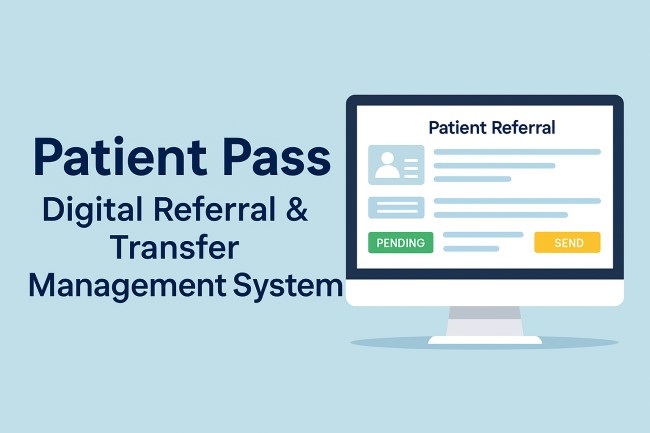
In today’s fast-paced healthcare environment, timely decisions, accurate communication, and seamless coordination are essential for patient safety. Hospitals worldwide are shifting from slow, paper-based referral methods toward modern digital solutions. Among these innovative systems, Patient Pass stands out as a powerful, secure, and efficient digital platform. It helps hospitals streamline referrals, manage transfers, enhance communication, and reduce avoidable delays in patient care. This article explores what Patient Pass is, how it works, its benefits, and why it is becoming a preferred system in modern healthcare.
What Is Patient Pass?
Patient Pass is a digital referral and transfer management system designed to simplify communication between healthcare providers. Instead of relying on phone calls, emails, or handwritten notes, Patient Pass provides a central, secure platform where clinicians can submit referrals, share documents, collaborate on cases, and track patient status in real time.
Why It Was Developed
Traditional referral processes often involve:
Repeated phone calls
Lost paperwork
Delayed decisions
Miscommunication between hospitals
Difficulty tracking patient status
Patient Pass was created to eliminate these problems by offering a reliable digital pathway for specialist referrals and inter-hospital transfers.
How Patient Pass Works
A Simple and Fast Workflow
Patient Pass uses a structured, easy-to-understand system that guides clinicians through each referral step.
Step 1: Login and Access
Healthcare professionals log in with their registered organisational email. The system uses secure authentication to protect patient data.
Step 2: Creating a Referral
The referrer enters patient details, clinical history, symptoms, vital signs, and any relevant test results. The interface is designed for speed, allowing referrals to be completed in just a few minutes.
Step 3: Attaching Clinical Documents
Depending on the case, clinicians can upload:
Scans
Blood reports
ECG results
Photographs
Clinical notes
Step 4: Sending to Specialist Teams
Once submitted, the specialist centre instantly receives the referral with all supporting details.
Step 5: Two-Way Communication
Doctors and nurses can message each other within the platform to clarify information, request further tests, or discuss patient management.
Step 6: Real-Time Status Tracking
Patient Pass updates the status of every referral, showing whether it is:
Pending
Accepted
Declined
Under review
Transferred
The referring team can clearly see what actions have been taken.Key Features of Patient Pass
Centralised Dashboard
Users can view all referrals in one place. The dashboard highlights priorities, deadlines, and pending actions, helping teams stay organised.
Clear Referral Pathways
Standardised referral templates ensure that essential clinical information is never missed. This improves the accuracy of decision-making.
Role-Based Access
Different levels of access (referrer or receiver) ensure strong data security and controlled information sharing.
Audit Trail
Every action is logged. Hospitals can view response times, referral numbers, and trends to improve service performance.
Secure Communication
All conversations stay within the platform, providing a structured and traceable communication history.
Browser-Based Design
No software installation is needed. Patient Pass works on popular browsers, making it accessible from any hospital computer.
Benefits of Patient Pass
Improved Patient Safety
By reducing delays, missing information, and miscommunication, Patient Pass helps ensure that patients receive timely specialist care.
Faster Decision Making
Specialist teams receive complete, structured clinical information, allowing them to prioritise urgent cases efficiently.
Enhanced Collaboration
Referring and receiving teams can communicate instantly through secure messaging.
Reduced Administrative Burden
The system replaces phone calls, emails, and repetitive paperwork. This saves staff time and reduces errors.
Greater Transparency
The status of every referral is visible, reducing uncertainty and improving coordination.
Better Data Insights
Hospitals can analyse referral trends, waiting times, and performance indicators to strengthen service quality.
Why Healthcare Systems Prefer Patient Pass
Cost and Time Efficiency
Digital referral systems reduce unnecessary hospital transfers, repeated diagnostic tests, and prolonged waiting times. In the long term, these efficiencies lower healthcare costs.
Scalability
Whether a small hospital or a large regional network, Patient Pass adapts easily to different clinical setups and volumes.
Standardisation of Care
By enforcing structured referral formats, Patient Pass maintains consistent information quality. This leads to safer, more reliable care decisions.
Training and Ease of Use
Healthcare staff can learn the system quickly due to its simple, intuitive design.
Supports Multiple Specialties
Patient Pass is widely used in services such as:
Neurology and neurosurgery
Stroke care
Trauma
Orthopaedics
Cardiology
Oncology
Its flexibility makes it suitable for nearly any specialty requiring rapid clinical communication.
Challenges and Limitations
While highly effective, Patient Pass also comes with a few challenges:
Requires Adequate Training
Hospitals must ensure that staff are properly trained to use the system efficiently.
Internet Dependency
A stable internet connection is essential for smooth operation.
Not a Replacement for Emergency Phone Calls
In life-threatening emergencies, a direct call may still be needed alongside digital referral.
Adoption Resistance
Some staff may initially prefer older paper-based workflows, requiring gradual change management.
Future of Patient Pass
Integration with Electronic Health Records
The future direction involves linking Patient Pass with hospital EHR systems for seamless data flow.
Mobile Accessibility
Mobile-friendly versions will allow staff to submit or track referrals directly from handheld devices.
AI-Assisted Triage
Artificial intelligence could support clinical triage by analysing referral patterns and identifying urgent cases faster.
Expansion Beyond Hospitals
Community clinics, urgent care centres, and telehealth services may also adopt systems like Patient Pass to improve coordination.
Conclusion
Patient Pass is transforming the healthcare referral process by offering an organised, secure, and highly efficient digital platform. Its ability to streamline communication, enhance patient safety, and reduce administrative stress makes it a powerful tool for modern hospitals. As healthcare continues to evolve, systems like Patient Pass will play a central role in creating faster, safer, and more coordinated patient journeys. With strong features, ease of use, and clear benefits, it is well-positioned to remain a leading digital referral solution in the years ahead.