Identifying Mental Health Issues’ Early Warning Signs
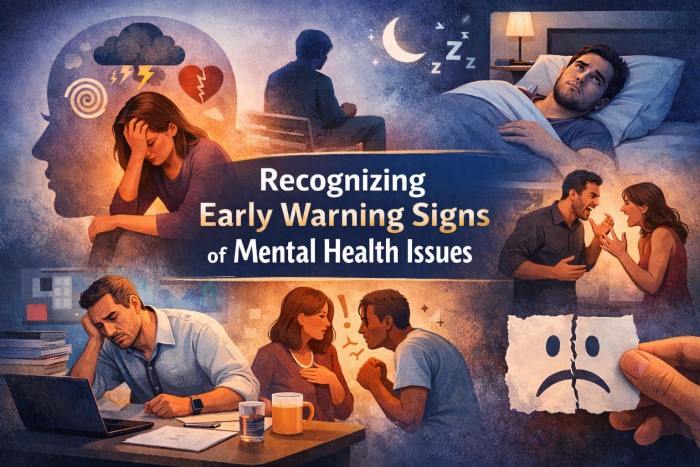
Anybody may have mental health issues, regardless of age, lifestyle, or background. Early warning indicators are sometimes subtle and easy to miss, particularly when daily routines, job pressure, or family obligations take precedence. It’s critical to identify these early warning indicators since prompt attention and assistance may stop worries from turning into more severe issues. Knowing what to look for enables people, families, and communities to react with confidence and compassion.
The Significance Of Early Recognition
When mental health issues are identified early, patients may get treatment before their symptoms worsen. Early intervention improves outcomes and speeds up recovery for many mental health problems. Additionally, awareness lessens stigma, making it simpler for people to express their emotions honestly. People are more inclined to provide help when they are aware of the symptoms rather than write off changes as passing stress or mood fluctuations.
Mood And Emotional Shifts To Look Out For
Observable emotional shifts are among the first signs of mental health issues. These might include emotional numbness that lasts longer than anticipated, anxiety, impatience, or persistent melancholy. A person may respond more passionately to little difficulties or feel overpowered by routine circumstances. Another typical indicator is the loss of interest in once-pleasurable activities. Programs like First Aid Mental Health, which focus on recognising when typical emotional responses may be evolving into something more worrisome, often teach students about emotional warning signs.
Changes In Behaviour That Indicate Concern
Changes in behaviour are another crucial red flag. A person may isolate themselves more than normal, shun friends or family, or withdraw from social activities. Alterations in sleep habits, including excessive sleeping or sleeplessness, may also be a sign of underlying mental health issues. There may be apparent changes in appetite, trouble focusing, or a drop in productivity at work or school. These actions may not always be evident at first, but over time, patterns may indicate that help and attention are needed.
Physical Signs Associated With Mental Health
Physical symptoms are a common manifestation of mental health issues. Emotional stress may sometimes be linked to persistent exhaustion, headaches, stomach pain, and inexplicable ailments. Even when medical factors have been ruled out, these physical symptoms could still exist. People may recognise that mental health problems exist and can affect not just the mind and emotions but also the whole body when they understand the link between mental and physical health.
Modifications To Perception And Thought
Another early warning indicator is altered thought processes. Constantly worrying, racing thoughts, excessive fear, or negative self-talk are examples of this. Some people can think they are a burden to others or feel hopeless. It might sometimes be difficult to concentrate on basic chores or make judgments. Understanding these cognitive shifts is often emphasised in courses like Mental Health Courses Gold Coast so that students may identify when their ideas are becoming stressful or unhelpful.
Warning Signs In Relationships And Social Situations
Communication and relationships may be impacted by mental health issues. A person may have an exceptionally high sensitivity to criticism or engage in frequent interpersonal disputes. They may become less empathetic or cease having talks. Since friends and family are often the first to notice these changes, open communication is crucial. Relationships that start to deteriorate for no apparent cause might indicate the need for emotional assistance.
When Cautionary Indications Turn Into A Crisis
Even while early warning symptoms might be mild, if they are ignored, they can worsen. People who exhibit severe suffering, discuss self-harm, or feel trapped or unworthy need to be helped right away. It’s crucial to know how to react responsibly and quietly in these circumstances. When someone needs urgent treatment, training like a Mental Health Crisis Response Course teaches people how to evaluate risk, provide first support, and direct them toward expert assistance.
How Supportive Action Follows Awareness
The first step is to identify early warning indicators. It is equally necessary to behave with respect and compassion. This might be asking someone how they’re doing, listening without passing judgment, or promoting expert assistance. Establishing settings that make it simpler for individuals to seek assistance in mainstream discussions about mental health. In order to boost self-esteem and lessen anxiety around mental health assistance, education, and training are essential.
Creating A Community That Is More Conscious And Helpful
Communities as a whole gain when people recognise early warning indicators. Families, companies, and schools all become safer and more encouraging environments. Early detection increases long-term wellness and lessens the possibility of crisis scenarios. People may significantly improve the lives of others and contribute to a society that values mental health just as much as physical health by understanding what to look for and how to react.