Exploring the Vibrant Culture and Social Scene of Spanish Cities
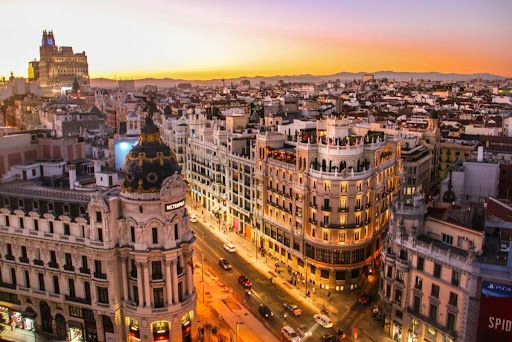
Spain is a country that knows how to live well. From the sun-drenched streets of Seville to the buzzing nightlife of Madrid, Spanish cities offer a unique blend of history, culture, food, and social energy. Whether you are a first-time visitor or a seasoned traveler, there is always something new to discover in the urban landscapes of this remarkable country.
Among all Spanish cities, Barcelona stands out as one of the most dynamic and culturally rich destinations in Europe. Known for its stunning architecture, world-class cuisine, and a social scene that runs from morning coffee to late-night dancing, the city captures the true spirit of Spanish urban life. It is a place where tradition and modernity exist side by side in perfect harmony.
The Social Culture of Spanish Cities
Spanish cities are built around social interaction. Life here happens outdoors, in plazas, tapas bars, and neighborhood markets. The concept of gathering with friends and family is deeply rooted in Spanish culture, and this is reflected in how cities are designed and how people spend their time.
Tapas and Food Culture
Food is central to social life in Spain. Tapas culture encourages people to move from bar to bar, sharing small dishes and conversation. In cities like San Sebastián, the pintxos bars are legendary. In Madrid, you can find everything from traditional cocido madrileño to modern fusion cuisine. Food is never just about eating — it is about connecting with people.
Festivals and Public Celebrations
Spanish cities are famous for their festivals. Some of the most well-known include:
- La Tomatina in Buñol, where participants throw tomatoes at each other in a massive street party
- Las Fallas in Valencia, featuring enormous sculptures that are burned at the end of the festival
- Semana Santa in Seville, a deeply moving religious procession that draws visitors from around the world
- Sant Jordi in Barcelona, a romantic celebration where people exchange books and roses
These events are not just tourist attractions. They are living expressions of local identity and community spirit.
Architecture and Urban Beauty
Walking through a Spanish city is like reading a history book written in stone. Roman ruins sit next to Gothic cathedrals, which stand beside modernist buildings and sleek contemporary structures. This layering of history gives Spanish cities a visual richness that is hard to find anywhere else.
Gothic Quarters and Historic Centers
Almost every major Spanish city has a historic center worth exploring. The Gothic Quarter in Barcelona, the Albaicín in Granada, and the old town of Bilbao all offer narrow streets, hidden plazas, and centuries of stories. These neighborhoods are best explored on foot, at a slow pace, with no particular destination in mind.
Modernist and Contemporary Design
Spain has also embraced bold modern architecture. The Guggenheim Museum in Bilbao transformed the city into a global cultural destination. The City of Arts and Sciences in Valencia is a futuristic complex that feels like it belongs in a science fiction film. These landmarks show that Spanish cities are always looking forward, even while honoring their past.
Nightlife and Evening Traditions
Spanish cities come alive after dark. The evening begins with a paseo, a leisurely walk through the streets, often followed by dinner that starts no earlier than nine or ten at night. After dinner, bars and clubs fill up, and the night can easily stretch until sunrise.
Each city has its own nightlife personality:
- Madrid is known for its endless variety of bars, clubs, and live music venues
- Ibiza, though an island, draws visitors from across Spain and the world for its legendary electronic music scene
- Seville offers flamenco shows in intimate venues that feel deeply authentic
- Valencia has a thriving beach club scene that blends relaxation with celebration
Green Spaces and Outdoor Living
Despite being urban environments, Spanish cities invest heavily in parks and outdoor spaces. The Retiro Park in Madrid, the Ciutadella Park in Barcelona, and the María Luisa Park in Seville are all beloved gathering spots where locals jog, picnic, and simply enjoy being outside. The warm climate makes outdoor living a year-round pleasure rather than a seasonal luxury.
Conclusion
Spanish cities offer a way of life that is warm, social, and deeply enjoyable. They balance history with innovation, tradition with creativity, and relaxation with energy. Whether you are drawn to the food, the architecture, the festivals, or simply the feeling of being somewhere truly alive, Spain’s cities deliver an experience that stays with you long after you leave. Exploring them is not just travel — it is a genuine encounter with one of the world’s most vibrant cultures.