Comfort Is Not a Luxury When You’re Outdoors
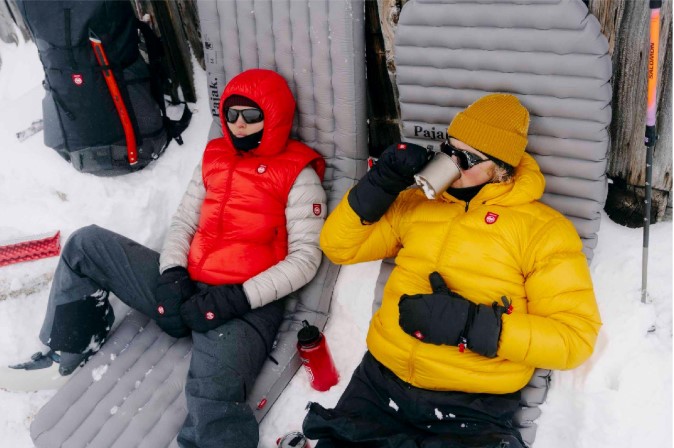
One of the most persistent myths in outdoor culture is that discomfort is a sign you’re doing it right. Cold hands, broken sleep and waking up stiff are often treated as badges of honour. In reality, that mindset doesn’t make trips more “authentic”. It usually makes them shorter, riskier and far less enjoyable. In the outdoors, comfort isn’t indulgence. It’s preparation.
The myth of suffering as proof
There’s a long-standing belief that real outdoor experiences should involve pushing through discomfort. The problem is that discomfort rarely stays contained. It creeps into decision-making, slows reactions and drains energy long before you notice it happening.
In the UK, where conditions are rarely extreme but often persistently wet, windy and cold, this matters even more. A small mistake made while tired or under-recovered can escalate quickly. Comfort doesn’t remove challenge — it removes unnecessary risk.
What actually changes when you sleep and recover well
Think about everyday life. When you sleep well before an important day, you think more clearly, manage stress better and make fewer mistakes. Outdoors, the same rules apply — the consequences are just more immediate.
A warm, dry night improves judgement, coordination and resilience the next day. You move more efficiently, spot hazards earlier and are less likely to rush decisions just to get warm again. In wet and windy UK conditions, managing warmth is often the difference between a controlled situation and a miserable one.
Good sleep isn’t about luxury. It’s about staying sharp.
The comfort essentials that matter most
When packing for a coastal walk, a hike or a wild camping UK trip, comfort comes from a few key elements rather than piles of extra clothing.
A reliable setup includes:
- a sleep system made up of a sleeping bag, sleeping pad and basic wind/rain protection,
- a dry layer reserved only for sleeping,
- a simple warmth strategy for stops and evenings.
Weather appropriateness, packability and reliability should guide choices more than minimal weight alone. Quality matters, not because it sounds impressive, but because dependable gear reduces stress when conditions shift.
Where people go wrong (and how to fix it)
Even experienced outdoors people make the same mistakes repeatedly:
- packing spare items while missing core insulation,
- underestimating ground insulation and skipping a proper pad,
- choosing exposed camp spots because they “look good”,
- wearing damp layers at night,
- cutting weight too aggressively and losing sleep as a result.
The fix is rarely adding more gear. It’s choosing the right pieces and using them consistently.
How to build comfort without carrying a heavy load
Comfort doesn’t have to mean a heavier pack. It means applying warmth-to-weight logic properly. Insulation works by trapping air; good design achieves that with less bulk.
Look for items that compress easily, dry quickly and perform more than one role. Simple upgrades — a dry bag to protect insulation, a liner to extend comfort range, or a hat or buff for sleep — often deliver more warmth than extra clothing layers ever will.
A practical gear mindset also means ignoring vague marketing labels and focusing on real use cases. Equipment designed for predictable warmth and durability is easier to trust when the weather turns.
If you’re looking for sleeping bags and insulated layers built around performance rather than hype, Pajaksport.com is one place to explore. Their products focus on real warmth, low weight and durability, with designs tested for demanding outdoor conditions rather than showroom appeal.
Comfort makes the outdoors more accessible
Comfort outdoors isn’t weakness. It’s strategy.
Being warm, dry and rested allows you to enjoy longer days, make better decisions and recover properly between efforts. It lowers barriers for newer hikers, encourages repeat trips and turns challenging conditions into manageable ones.
Before your next trip, keep this simple checklist in mind:
- prioritise a high-performance, lightweight sleep system and a dry layer for sleep,
- don’t ignore wind and rain protection,
- choose gear based on compression, warmth and reliability,
- use multi-purpose items to keep pack weight sensible,
- pack smarter, not just smaller,
- always consider where you’ll camp and how wind, moisture and ground temperature will affect you.
The outdoors doesn’t reward suffering. It rewards preparation. Comfort isn’t a luxury — it’s what allows you to stay safe, engaged and ready for whatever the next day brings.