Allied Carpets – The Rise, Influence, and Legacy of a British Retail Giant
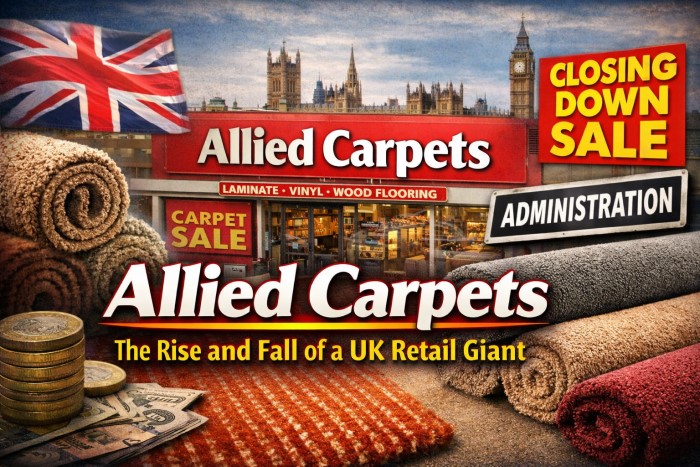
Allied Carpets was once one of the most recognizable names on the British high street. For decades, it shaped how carpets and flooring were sold in the United Kingdom, setting trends in retail formats, pricing strategies, and customer expectations. From humble beginnings to nationwide expansion, Allied Carpets became a household name associated with choice, accessibility, and large-scale carpet retailing. This article explores the full story of Allied Carpets, its business model, challenges, and lasting legacy in the UK retail industry.
Origins of Allied Carpets
Allied Carpets began its journey in the mid-20th century, emerging during a period when Britain was rebuilding and domestic home improvement was gaining importance. The company was founded with a clear vision: to make carpets more accessible to everyday households. Instead of relying on small shops with limited samples, Allied Carpets introduced a more direct and customer-friendly approach.
Early Business Vision
The early success of Allied Carpets was rooted in its innovative thinking. At a time when customers often chose carpets from small swatches and waited weeks for delivery, Allied Carpets focused on stocking large rolls of carpet directly in stores. This allowed customers to see the full product and receive faster installation, a major competitive advantage.
Expansion Through Innovation
This warehouse-style retail model helped Allied Carpets expand rapidly. As word spread, more stores opened across major cities and towns, making the brand widely accessible. Innovation, efficiency, and customer convenience became the foundation of its growth.
Growth and National Presence
By the 1970s and 1980s, Allied Carpets had transformed from a growing retailer into a national brand. Its stores were often large, prominently located, and designed to showcase a wide variety of flooring options.
Product Range Diversification
Although carpets remained the core product, Allied Carpets gradually expanded its offerings. Customers could find vinyl flooring, laminate, wood flooring, rugs, curtains, and even beds in some locations. This diversification helped the company attract a broader customer base and increase average sales per visit.
Marketing and Brand Recognition
Allied Carpets invested heavily in advertising, making the brand instantly recognizable. Its promotions, sales events, and in-store offers became familiar to British consumers. The brand’s name became synonymous with affordable flooring solutions.
Business Model and Retail Strategy
The success of Allied Carpets was not accidental. It relied on a carefully structured business model designed to balance volume sales with competitive pricing.
Large-Format Stores
The company favored spacious retail outlets where customers could walk through aisles of carpets displayed in full rolls. This approach built trust, as buyers could see exactly what they were purchasing rather than imagining it from a sample.
Competitive Pricing Approach
Allied Carpets positioned itself as a value-driven retailer. Bulk purchasing, centralized distribution, and standardized store layouts helped control costs. These savings were passed on to customers, strengthening the brand’s appeal.
Ownership Changes and Corporate Shifts
As Allied Carpets grew, it attracted interest from larger corporate groups. Over time, the company experienced several ownership changes that significantly influenced its direction.
Impact of Corporate Transitions
Each change in ownership brought new strategies and expectations. While some transitions provided financial backing and expansion opportunities, others introduced operational challenges. Balancing corporate goals with the realities of retail proved difficult.
Market Competition Intensifies
As competition in the UK flooring market increased, Allied Carpets faced pressure from rivals offering aggressive pricing, online sales options, and leaner business models. These market shifts tested the resilience of the brand.
Financial Challenges and Decline
Despite its strong brand recognition, Allied Carpets struggled in later years. Economic downturns, rising property costs, and changing consumer behavior placed strain on the business.
Changing Retail Landscape
The rise of online shopping and discount retailers altered how customers bought flooring. Large physical stores, once an advantage, became costly to maintain. Allied Carpets found it difficult to adapt quickly enough to these changes.
Administration and Store Closures
Repeated financial difficulties led to administrations and restructuring efforts. Many stores closed, employees were affected, and the once-dominant presence of Allied Carpets gradually faded from the high street.
Legacy of Allied Carpets
Although Allied Carpets is no longer the retail force it once was, its impact on the UK flooring industry remains significant.
Influence on Modern Carpet Retailing
Many practices that are standard today—large showrooms, immediate stock availability, and transparent pricing—were popularized by Allied Carpets. Competitors adopted similar models, reshaping the entire sector.
Brand Recognition and Nostalgia
For many consumers, Allied Carpets still evokes memories of home renovations, family moves, and major life milestones. The brand holds a nostalgic place in British retail history.
Quick Info About Allied Carpets
-
Industry: Carpet and flooring retail
-
Market: United Kingdom
-
Core Products: Carpets, vinyl, laminate, wood flooring
-
Retail Style: Large-format warehouse stores
-
Status: Former major UK retailer
FAQs About Allied Carpets
What made Allied Carpets different from other retailers?
Allied Carpets stood out by displaying full carpet rolls in large stores, allowing customers to see the complete product and receive quicker service.
Was Allied Carpets a nationwide brand?
Yes, at its peak, Allied Carpets operated hundreds of stores across the United Kingdom and was widely recognized.
Why did Allied Carpets decline?
The decline was due to a combination of economic pressures, increased competition, high operating costs, and changes in consumer shopping habits.
Does Allied Carpets still operate today?
The original Allied Carpets retail chain no longer operates in its former capacity, though its influence on the industry remains.
What is the legacy of Allied Carpets?
Its legacy lies in transforming carpet retailing in the UK, setting standards that continue to influence flooring businesses today.
Conclusion
Allied Carpets played a defining role in the evolution of carpet and flooring retail in the United Kingdom. From pioneering retail innovations to becoming a household name, its journey reflects both the opportunities and challenges of large-scale retailing. While the brand itself has faded, the impact of Allied Carpets continues to shape how flooring is sold, proving that its influence extends far beyond its years of operation.