Winter Garden Jobs Made Easy: Tools You’ll Actually Use in Winter Months
When winter arrives, many gardens are quietly put on pause. Lawns stop growing, flower beds retreat, and outdoor spaces can feel a little forgotten. Yet winter is far from a dormant season for gardeners. With the right mindset it can be one of the most practical times of year to prepare, protect, and plan for the months ahead.
Rather than seeing winter as a break from gardening, it’s helpful to think of it as a maintenance phase. Using the right garden tools and carrying out small, regular tasks can make spring far easier, while keeping your garden healthy and tidy through colder weather. Best of all, winter gardening doesn’t demand long afternoons outside – just short, purposeful sessions that fit neatly into everyday life.
Preparing and Protecting Your Garden Through Winter
Winter gardening is less about growth and more about care. the right garden tools like grow tent heater One of the most important jobs is clearing fallen leaves, which can smother lawns, block drains, and encourage moss if left untouched. A lightweight rake or leaf blower makes quick work of paths, patios, and grassy areas, helping to prevent slippery surfaces and keeping things looking neat.
Pruning is another essential winter task. Many shrubs and trees benefit from being trimmed while dormant, encouraging healthy growth once warmer weather returns. Sharp secateurs and loppers are invaluable here, allowing you to remove dead or damaged branches cleanly without harming the plant. For thicker limbs, a compact pruning saw can be surprisingly effective, even in colder conditions.
Protecting plants is just as important as cutting back. Frost-sensitive plants may need fleece covers or mulching around their bases to insulate roots. A sturdy trowel and garden fork help you apply compost or bark mulch efficiently, locking in warmth and moisture while improving soil quality at the same time.
Winter is also the ideal moment to check fences, trellises, and raised beds for damage caused by wind or rain. Tightening loose fixings and reinforcing weak points now prevents bigger repairs later. These quiet, preventative jobs often go unnoticed but make a real difference to how your garden copes with harsh weather.
The Most Useful Garden Tools for Cold Weather Tasks
Not all gardening equipment earns its keep in winter, so it’s worth focusing on tools that genuinely make life easier. Hand tools come into their own during colder months, when precision matters more than speed. A comfortable pair of gloves, designed to offer warmth without sacrificing grip, is an often-overlooked essential.
Digging tools such as spades and forks are still useful in winter, particularly for turning over soil in vegetable patches or preparing beds for spring planting. Well-maintained tools with clean, sharp edges reduce effort, even when soil is heavy or damp.
For hard landscaping areas, a pressure washer can be useful on milder winter days. Cleaning patios, steps, and driveways removes algae and grime that build up during wet weather, improving safety as well as appearance. It’s best used sparingly and during frost-free conditions, but it’s a tool many homeowners find surprisingly handy year-round. Winter is also a good time to check and maintain your roof, clearing debris and inspecting for damage, as this can prevent leaks and costly repairs later.
Storage tools also deserve attention in winter. Wall hooks, storage racks, and weatherproof boxes help keep equipment dry and organised, extending its lifespan. A tidy shed or storage area means you’re far more likely to step outside for quick jobs, rather than putting them off until spring.
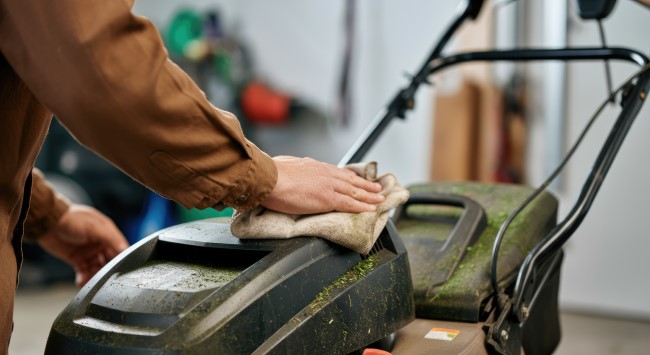
Winter is also a good time to maintain your tools. Cleaning blades, oiling moving parts, and sharpening cutting edges ensures everything is ready to go when the gardening season picks up again. These small acts of care can save money and frustration later on.
Making Winter Gardening Simple and Enjoyable
One of the biggest misconceptions about winter gardening is that it has to be hard work. In reality, it’s about working smarter, not longer. Choosing tools that are lightweight, ergonomic, and easy to store makes winter tasks feel far more manageable, especially when daylight hours are limited.
Breaking jobs into small sessions helps, too. Ten minutes spent clearing leaves or checking plant protection can be far more effective than tackling everything at once. Winter gardening is as much about routine as effort, with regular light maintenance preventing bigger problems from developing.
There’s also a mental benefit to staying connected with your garden through winter. Fresh air, gentle movement, and a sense of progress can lift your mood during darker months. Even simple tasks like tidying borders or preparing pots for spring planting provide a welcome change of pace from indoor routines.
Planning ahead is another advantage of winter gardening. It’s the perfect time to review what worked well during the previous year and what didn’t. With fewer distractions from active growth, you can assess layout, soil condition, and planting schemes more clearly. This thoughtful approach often leads to better results once the garden bursts back into life.
A well-kept garden doesn’t happen by accident, even in winter. By focusing on essential tasks and using tools that genuinely earn their place, you can protect your outdoor space, reduce spring workloads, and enjoy your garden all year round. Winter may slow things down, but with the right approach, it’s still a season full of purpose and potential.