Composite doors: the modern upgrade that instantly transforms the look and performance of your home
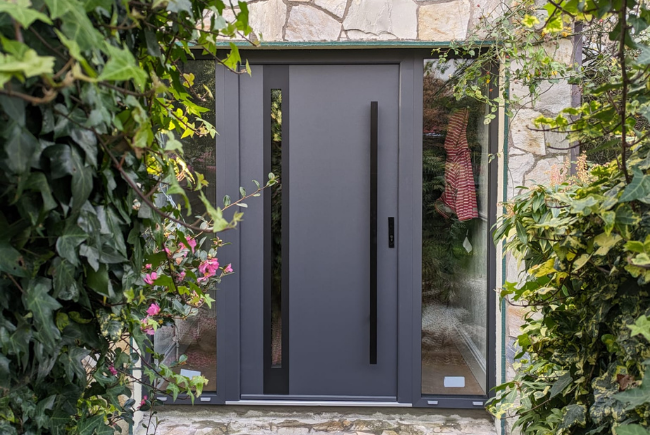
Investing in a new front door is one of those home upgrades that delivers instant results. An entrance chosen with care changes more than first impressions. It plays a real role in day-to-day comfort, security and energy use inside the home. That’s why composite doors have become one of the most popular choices for homeowners in the UK.
If you’re planning to upgrade your home, this guide explains what composite doors are, why they perform so well in British conditions, and how to choose the best option for your home.
What are composite doors?
Composite doors are made from a combination of materials rather than a single one. Typically, they feature a solid timber core, reinforced with insulating layers and finished with a durable glass-reinforced plastic (GRP) skin.
This multi-layer construction is what sets composite doors apart from traditional wooden or uPVC doors. Instead of relying on one material to do everything, composite doors use the strengths of each layer to deliver better overall performance.
As a result, composite doors are known for being:
- Strong and stable
- Highly energy efficient
- Resistant to warping, cracking and fading
- Low maintenance compared to wooden doors
Why composite doors work so well in the UK climate
The British climate can be demanding. Frequent rain, temperature changes and strong winds can take a real toll on a home’s entrance. That’s where innovative composite doors come in. Thanks to their insulated core and weather-resistant outer layer, composite doors are designed to handle cold winters, reduce heat loss and cope with damp conditions and moisture exposure. They also remain stable despite seasonal expansion and contraction, which can be a common issue with traditional timber doors.
For homeowners in the UK, this means fewer draughts, improved thermal comfort and a door that keeps its shape and appearance year after year.
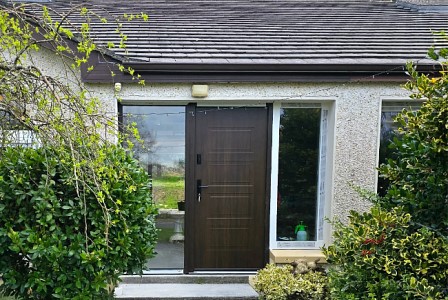
Comparing composite doors with traditional front doors
When comparing a composite front door with more traditional entryways, the differences quickly become clear. Wooden doors may look attractive, but they usually require regular painting or varnishing and can swell, warp or rot over time. uPVC front doors are often more affordable, yet they can feel less solid, fade with prolonged sun exposure and offer limited design options.
By contrast, composite front doors combine a strong, insulated core with high security and minimal maintenance, while also offering a wide choice of colours, glazing and hardware.
Modern composite doors vs kerb appeal
One of the biggest reasons people choose composite doors is their strong visual impact. It’s typically the first thing visitors notice, and composite doors offer impressive design flexibility.
You can choose from:
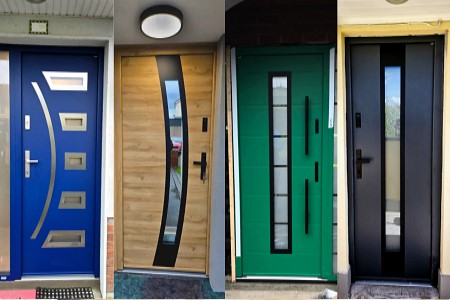
- Contemporary flush designs or traditional panelled styles
- Vivid colours, such as blue or green, to create a striking focal point
- Classic neutral tones for a timeless, understated look
- Decorative or minimalist glazing options to suit different levels of privacy and style
Whether you’re renovating your property or finishing a new build, composite doors make it easy to match your entrance to your home’s character. That flexibility is one of the main reasons they’re now among the most popular choices on the market.

Security features: peace of mind built in
Safety is a major consideration when picking new doors in the UK, and composite solutions perform exceptionally well in this area.
Most composite doors are now equipped with:
- Multi-point locking systems
- Reinforced frames
- High-quality hinges and locking cylinders
Because the door slab itself is solid and reinforced, it provides a strong barrier against forced entry. For many homeowners, upgrading to composite doors is as much about peace of mind as it is about appearance.
Energy efficiency and lower heating bills
Energy efficiency is another important reason composite doors are becoming a top choice in Great Britain. The insulated core plays a key role in reducing heat loss, but overall performance is also shaped by the door frame and sealing system. Many modern composite doors use warm door frames with multiple gaskets and thermal insulation inserts inside the chambers, which help limit draughts and prevent cold air from entering the home. In more advanced constructions, aluminium frames with thermal breaks or XPS insulation inserts further improve thermal performance, making composite doors particularly suitable for older properties where heat loss around the entrance is a common issue.
Main benefits include:
- Improved indoor comfort
- Reduced heat escaping through the door
- Potentially lower energy bills over time
With good installation and proper sealing, the difference becomes especially noticeable during colder months.
How to choose the best composite doors in the UK
If you’re deciding between different composite options, this checklist can help:
1. Style and colour
Choose a design that suits your property and surrounding area. Many property owners opt for timeless colours that won’t date quickly. For those considering colour changes or long-term flexibility, this guide on painting composite doors offers useful insights into what’s possible and what to consider.
2. Thermal performance
Look for doors designed with insulation in mind – important for entrances exposed to changing weather conditions. A Ud value of around 0.8–1.0 W/m²K is considered a good benchmark.
3. Security specification
Multi-point locks and reinforced cores should be a standard, not an option.
4. Glazing options
If you want light without sacrificing privacy, consider decorative or frosted glass panels.
5. Acoustic insulation
The ability to reduce external noise is also significant if you live in a city or close to a busy road. For composite doors, good acoustic performance is typically around 30–32 dB.
6. Installation quality
Even the highest-quality composite doors won’t perform as intended if they’re installed incorrectly. Proper fitting really matters.
Conclusion
Composite doors have earned their place in British homes by doing more than just looking good. They support comfort, protect what matters and adapt easily to different architectural styles. When chosen and fitted well, they become a quiet but essential part of everyday living.
After reading this guide, it’s worth asking yourself one simple question: do your doors still do the job they should? If you have any doubts, reaching out to a reputable supplier such as Fenbro can help you explore solutions that truly match your expectations