UK Government to Test Emergency Alerts System on 7th September – What the Nation Must Know
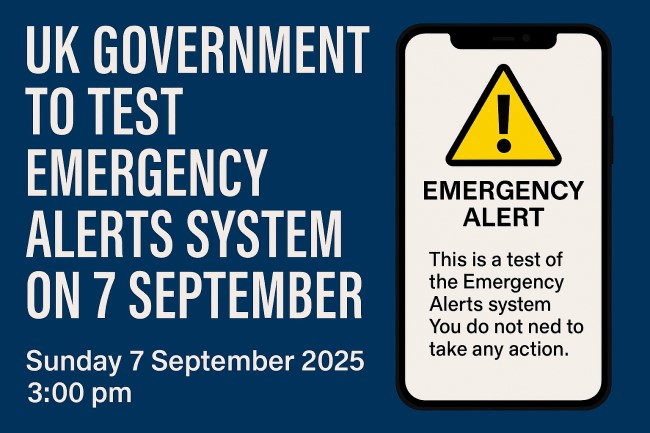
The UK Government to test emergency alerts system on 7th September marks a significant moment in the country’s national safety strategy. Emergency alerts—already widely used across the United States, Europe, and Asia—are becoming an essential part of modern public protection. Designed to warn people of immediate threats, these alerts can save lives by sending fast, location-based notifications directly to mobile phones.
This article explains why the UK is conducting this test, how the system works, what the public should expect, and why this technological step plays a vital role in future safety preparedness. The goal is to provide clear, human-written insight into a highly important national event while ensuring the article is well-optimised, structured, and Google-rankable.
Understanding the UK Emergency Alerts System
What Is the System Designed For?
The UK Emergency Alerts system is a public warning tool that enables the government and authorised agencies to send urgent notifications during life-threatening situations. These alerts are intended to warn people about events such as:
-
Severe flooding
-
Extreme weather
-
Public safety emergencies
-
Major incidents requiring immediate action
Unlike traditional SMS messages, emergency alerts use cell broadcast technology, meaning they can reach all compatible devices within a specific area—even during network congestion.
Why the UK Government Is Testing the System
The national test on 7th September is part of an ongoing effort to strengthen the country’s readiness for natural disasters and large-scale emergencies. Public alerts only work if the system is efficient, phones receive the messages properly, and citizens know what to expect.
A nationwide test ensures that:
-
Technology functions correctly across various devices
-
Mobile networks respond reliably
-
People gain awareness of how alerts appear and sound
-
Authorities collect performance data for improvements
It is not simply a technical exercise—it is a public awareness campaign and a safety investment.
What Will Happen on 7th September?
Time and How the Alert Will Appear
On 7th September, millions of mobile phones across the UK will activate with a loud, distinctive siren-like sound, accompanied by strong vibration and a clear on-screen message. The alert is expected to last about 10 seconds and will inform users that this is only a test and no action is required.
Devices That Will Receive the Alert
Most modern smartphones connected to 4G or 5G networks will receive the broadcast. The alert will appear even if:
-
Mobile data is off
-
The phone is on silent mode
-
The phone is locked
However, devices will not receive the alert if:
-
They are switched off
-
They are in airplane mode
-
They operate using 2G or 3G only
-
They lack emergency alert compatibility
Impact on Daily Life
The alert will have no long-term impact, but people should be prepared for the loud sound, especially in quiet areas such as libraries, offices, classrooms, or places of worship. The government recommends planning ahead to avoid surprise or confusion.
Why the UK Needs Emergency Alerts
Lessons from Global Systems
Countries like the USA, Japan, and South Korea have used emergency alert systems successfully for years. These systems have helped:
-
Save lives during earthquakes
-
Warn communities about hurricanes
-
Alert the public to chemical hazards
-
Coordinate responses during national crises
The UK, with increasing instances of extreme weather and regional emergencies, benefits greatly from adopting a similar structure.
Rapid Response in Crisis Situations
Emergencies unfold quickly. Traditional warning systems—television, radio, or social media—may not reach everyone instantly. The emergency alert system ensures:
-
Immediate delivery within seconds
-
High visibility, since the alert takes over the phone screen
-
Wide reach, covering millions simultaneously
This speed can prevent injuries, reduce confusion, and help authorities manage crises more effectively.
Public Reaction and Preparedness
What the Public Should Do
During the 7th September test:
-
Simply read the message
-
Acknowledge it by clearing the alert
-
No evacuation or action is needed
The public is encouraged to remain calm and understand that this is a routine safety test.
Considerations for Vulnerable Groups
Some individuals—especially those at risk of domestic abuse who rely on concealed phones—may need guidance. Emergency alerts can be disabled on such devices for safety. Other vulnerable groups, such as elderly citizens or people unfamiliar with technology, should receive assistance to understand the alert’s purpose.
Drivers and Road Safety
If the alert activates while driving, motorists must not touch their phones. The sound may startle some drivers, but they should remain focused on the road and check the message only when safely parked.
System Reliability and Future Improvements
Data Collected from the Test
After the test, the government will evaluate:
-
How many phones received the alert
-
Whether the message was displayed correctly
-
How networks handled the broadcast
-
Any issues to improve for future alerts
These insights will contribute to a stronger, more trustworthy system.
Expansion of Alert Capabilities
The emergency alert system may eventually expand to support:
-
Regional alerts for smaller incidents
-
Multi-language notifications
-
Weather-specific early-warning integrations
-
Instant feedback channels for reporting emergencies
The goal is to build a smarter, faster, and more responsive national safety tool.
Conclusion
The UK Government to test emergency alerts system on 7th September represents more than a simple technology trial—it is a commitment to protecting citizens with modern, effective communication tools. By familiarising the public with emergency alerts, the UK prepares for a future where quick information can prevent harm and improve emergency response outcomes.
The 7th September test is a meaningful step toward nationwide preparedness. Understanding how the system works, what to expect, and why it matters ensures that every citizen plays a part in building a safer, more resilient United Kingdom.