Why Construction Industry Standards Depend on Safety Education
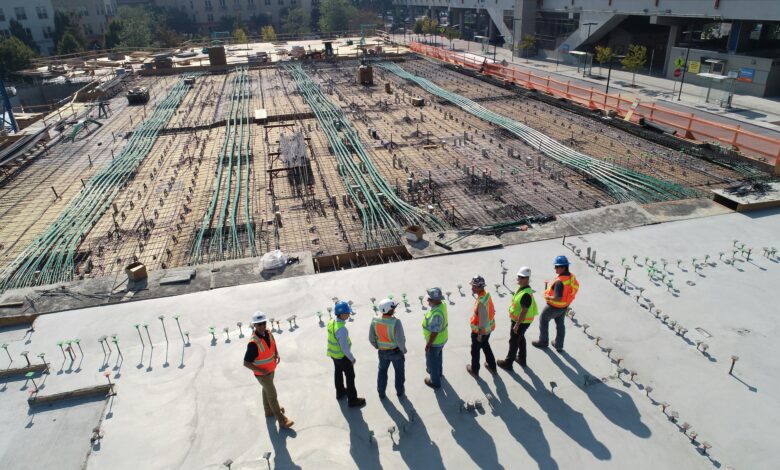
The construction industry remains one of the most demanding and high-risk sectors in Australia. Workers regularly deal with heavy machinery, elevated work areas, electrical systems, and constantly changing environments. Because of these challenges, industry standards rely heavily on proper safety education to protect workers, employers, and the public. Safety training is not simply a recommendation. It is a critical part of maintaining professional construction practices and reducing workplace accidents.
Construction companies understand that well-trained workers are more likely to follow correct procedures, recognise hazards early, and contribute to safer job sites. As the industry continues to grow, safety education has become one of the most important foundations of construction standards across Australia.
Safety Education Creates Awareness From the Beginning
Many workplace accidents happen because workers fail to identify hazards before starting a task. Safety education helps individuals develop awareness and understand how risks appear in real work environments. From handling equipment correctly to understanding emergency procedures, workers gain knowledge that supports safer decisions throughout the day.
Programs like White Card Course Adelaide help introduce workers to important safety responsibilities before they enter active construction sites. These courses explain workplace hazards, communication procedures, and legal obligations that every worker should understand. By learning these principles early, workers become more prepared to operate safely in demanding environments.
Construction Standards Require Consistency
Industry standards only work when every worker follows the same safety expectations. Construction projects involve teams of contractors, supervisors, engineers, and labourers working together in fast-paced conditions. Without consistent safety education, misunderstandings and unsafe practices can quickly develop.
Training programs help create a shared understanding of workplace procedures. Workers learn how to report hazards, use protective equipment properly, and respond during emergencies. This consistency improves teamwork and reduces confusion on-site.
Many employers now encourage regular white card training Adelaide programs because they support industry-wide safety expectations. Refresher education also helps experienced workers stay updated with changing regulations and modern construction practices.
Safer Worksites Improve Productivity
Safety education does more than reduce accidents. It also improves efficiency across construction projects. When workers understand correct procedures, tasks are completed more smoothly with fewer delays caused by injuries or unsafe conditions.
Construction downtime can become extremely expensive for businesses. Injuries often result in investigations, project interruptions, insurance costs, and staffing challenges. Preventing these issues through proper safety education benefits both employers and workers.
Well-trained teams are also more confident when performing technical tasks. Workers who understand site safety requirements can focus better on their responsibilities without unnecessary uncertainty or confusion. This creates stronger productivity while maintaining professional industry standards.
Employers Have Legal and Ethical Responsibilities
Construction companies must follow strict workplace safety regulations across Australia. Employers are responsible for providing safe environments and ensuring workers understand potential hazards. Safety education plays a major role in meeting these responsibilities.
Training programs teach workers about legal obligations, risk management, and safe operating procedures. Employers who invest in education demonstrate commitment to worker wellbeing and professional standards.
Holding a white card Adelaide qualification is often one of the first requirements for entering construction sites. This requirement reflects how seriously the industry views safety education. It ensures workers have basic knowledge before participating in construction activities.
Safety Education Supports Long-Term Careers
Construction workers benefit personally from strong safety education throughout their careers. Workers who understand proper safety practices are less likely to experience serious injuries that could affect their future employment and quality of life.
Safety education also helps workers develop professionalism and leadership skills. Experienced workers often become role models for younger employees by demonstrating safe behaviour and responsible decision-making on-site.
As construction technology and equipment continue to evolve, ongoing learning becomes increasingly important. New tools, materials, and building methods require workers to stay informed and adaptable. Continuous education helps maintain high industry standards while preparing workers for future opportunities.
Conclusion
Construction industry standards depend on safety education because knowledge creates safer and more professional work sites. Proper training helps workers recognise hazards, follow regulations, and contribute to stronger teamwork across projects. It also supports productivity, reduces accidents, and protects long-term careers within the industry.
As Australia’s construction sector continues to expand, safety education will remain one of the most important investments for both employers and workers. Strong industry standards begin with informed workers who understand the importance of protecting themselves and those around them every day.
<iframe src=”https://www.google.com/maps/embed?pb=!1m18!1m12!1m3!1d3271.2765937219274!2d138.60138659999998!3d-34.9245995!2m3!1f0!2f0!3f0!3m2!1i1024!2i768!4f13.1!3m3!1m2!1s0x6ab0cf0c844c2f4b%3A0xadfd6850e5e8028c!2sSkills%20Training%20College%20-%20Adelaide!5e0!3m2!1sen!2sau!4v1779337454727!5m2!1sen!2sau” width=”600″ height=”450″ style=”border:0;” allowfullscreen=”” loading=”lazy” referrerpolicy=”no-referrer-when-downgrade”></iframe>