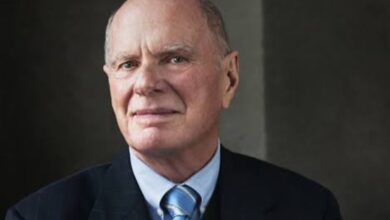
liam byrne: From Public Service to Political Influence in Britain
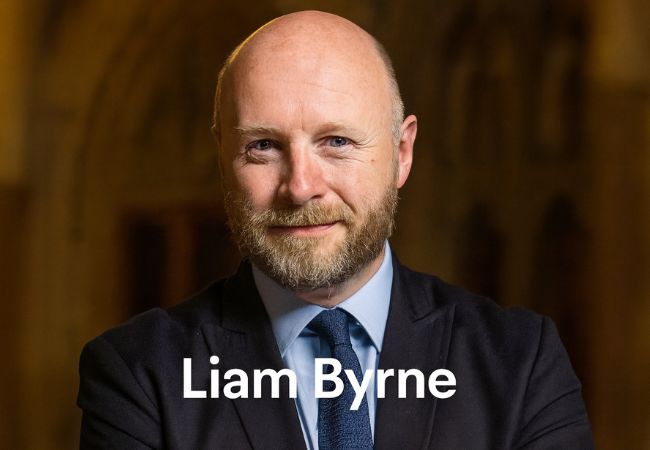
Liam Byrne has built a reputation as one of Britain’s most intellectually active and policy-focused politicians. Known for blending academic discipline with real-world governance, his career reflects how modern public service demands both political instinct and economic literacy. Over the years, he has served in senior government posts, shaped debates on trade and national security, and produced a body of writing on capitalism, reform, and the United Kingdom’s role in a changing world. This article explores his journey, ideas, leadership style, and continuing impact on British public life, while also addressing the widely searched term “liam byrne mp.”
Early Life and Academic Foundations
Formative Years
Born in Warrington, England, Byrne grew up in a household that valued education and public responsibility. This environment nurtured his curiosity and an early interest in social issues and politics.
Education and Intellectual Growth
He studied History and Politics at the University of Manchester, a combination that gave him both context and critical thinking skills. Later, as a Fulbright scholar, he completed an MBA at Harvard Business School. This mix of humanities and business training became central to his political identity—allowing him to understand society through history and manage systems through strategy.
From Business to Parliament
Professional Experience Before Politics
Before entering Parliament, Byrne worked in consultancy and banking, gaining first-hand knowledge of markets, corporate governance, and international finance. He also co-founded a technology business, adding entrepreneurial experience to his profile.
Entering Parliamentary Life
Elected in 2004, Byrne began serving as an MP at a time when Britain was facing economic transition. His business background meant he arrived with a different perspective from traditional career politicians, focusing on efficiency, accountability, and forward planning.
Senior Government Roles
Challenges of High Office
Byrne rose through the ranks rapidly, holding roles across immigration, cabinet coordination, and the Treasury. Each post came with political pressure and public scrutiny—especially during years shaped by global financial instability.
As Chief Secretary to the Treasury
In this role, Byrne helped implement fiscal oversight during the aftermath of the financial crisis. Managing budgets during uncertainty tested his technocratic instincts and political resilience, reinforcing his reputation as a detail-driven administrator.
The Role of “liam byrne mp” Today
Parliamentary Leadership
The phrase “liam byrne mp” frequently appears in searches not just because of tenure, but because of influence. As Chair of the Business and Trade Committee, he plays a central role in examining the UK’s economic relationships, trade frameworks, and market regulations.
Oversight in Action
Parliamentary committees shape legislation through evidence and inquiry. Under Byrne’s leadership, hearings have assessed post-Brexit trade, domestic productivity, and the competitiveness of British industry.
Global Engagement
He is also a prominent figure in parliamentary diplomacy, connecting UK lawmakers with international financial institutions. Through dialogue and oversight, he contributes to how Britain positions itself within global markets.
Ideas, Books, and Public Thought
Author and Advocate
Byrne has published widely on reform, capitalism, and geopolitics. His writing reflects a belief that economic systems must serve communities and that leadership should evolve with technology and demographics.
Core Intellectual Themes
-
Reforming Capitalism: Markets should promote fairness alongside growth.
-
Strategic Britain: National success depends on education, innovation, and global engagement.
-
Effective Government: Institutions must modernize to remain relevant.
Why His Ideas Matter
In an age of automation, climate change, and geopolitical tension, Byrne’s emphasis on adaptability and institutional strength resonates with policymakers seeking solutions beyond ideology.
Leadership Style and Public Image
Pragmatic Yet Visionary
Byrne is often described as analytical rather than theatrical. While some politicians thrive on slogans, he focuses on frameworks and long-term positioning.
Communicator and Reformer
His speeches and publications aim to translate complex economics into accessible language, enabling broader public understanding.
Controversies and Criticism
Public Accountability
Like all senior figures, Byrne has faced criticism during moments of fiscal constraint and administrative change. Detractors have questioned procedural choices, particularly in high-pressure departments.
Learning from Governance
Rather than retreat, Byrne positions critique as dialogue—arguing that scrutiny improves governance when used constructively.
Personal Life
Out of public office, Byrne maintains a family life largely guarded from media. This balance provides him personal perspective and reinforces the human dimension behind political decision-making.
Legacy and Influence
A Modern Parliamentarian
Byrne represents a generation that blends experience across government, business, and academia. His career suggests politics in the 21st century demands multidisciplinary competence.
Shaping the Future
Whether through parliamentary leadership, written thought, or international dialogue, his work continues to influence how Britain debates productivity, trade, and equality.
Why People Keep Searching “liam byrne mp”
The interest reflects relevance:
-
Longevity in public office
-
Leadership over trade policy
-
Influence on global finance dialogue
-
Published economic insight
Each search signals trust in his name as a source of authority on economic governance.
Conclusion
liam byrne exemplifies the evolving role of the MP—no longer just a legislator, but a strategist, communicator, and international envoy. His career demonstrates how political leadership today requires intellectual agility, ethical responsibility, and openness to reform.
Whether recognized for parliamentary authority, economic insight, or public service, Byrne’s journey continues to illustrate how governance can adapt without losing its moral compass.