Understanding Bloodborne Pathogens: Safety in Everyday Scenarios
What risks might you not see when you come into contact with blood or other body fluids every day? Pathogens that are harmful can spread very quickly, which many people don’t know. Pathogens that are spread through the blood can infect the body and cause serious infections.
These dangers can happen at home, at work, or in public places. Adhering to simple safety rules can greatly lower exposure. People and other people are safer when they know how to respond properly.
This article goes over some important safety tips that people can use in their everyday lives. Keep reading!
What Are Bloodborne Pathogens
There are microorganisms that are harmful and can be found in blood, and these are known as bloodborne pathogens. They are able to enter the body through areas of the skin that are already open or through cuts. You might become ill as a result of this.
Regularly, viruses that are harmful to health in general are an example. As a result, it is essential to be conscious of their presence. Simply being aware can help prevent exposure.
Common Everyday Risk Scenarios
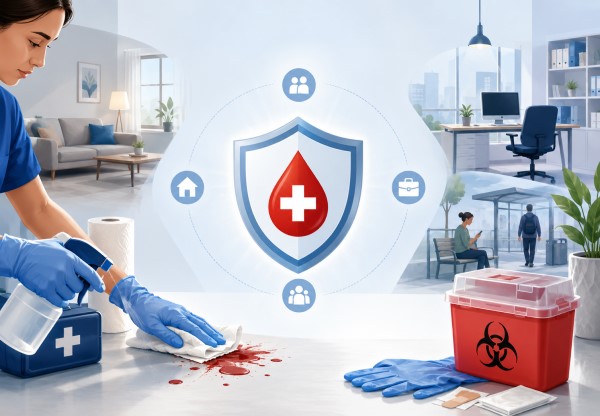
When you least expect it, exposure can occur in unexpected places. It is possible that it will occur while cleaning or providing first aid. Because of this, the risk is increased.
It is also possible to face dangers in public places. Incorrectly disposing of sharp objects can be hazardous to one’s health and safety. It is safer to be aware of the potential dangers.
Using Proper Protective Measures
To reduce the likelihood of being exposed, protective gear is helpful. An additional layer of safety can be added by putting up barriers and wearing gloves. Direct contact is thereby prevented.
Dealing with things in a secure manner is also very important. Keep your hands away from things you are unfamiliar with and wear protective gear. Stay still and do nothing.
Practicing Safe Cleanup Procedures
Cleaning up blood or other bodily fluids requires careful attention to detail. The elimination of harmful pathogens can be facilitated through the utilization of disinfectants. This results in a reduced risk.
When getting rid of contaminated materials, it is essential to do so in the appropriate manner. This prevents any further exposure from taking place. Everyone is safer when they have clean habits.
Learning Through Training and Resources
Training helps individuals understand risks and responses. It provides clear steps for handling exposure safely. This builds confidence.
Many people explore resources like Cprcertificationnow.com to gain knowledge and improve their ability to respond safely in everyday situations involving potential exposure to bloodborne pathogens. Education supports readiness.
Promoting Awareness in Communities
By sharing what you know, you can make places safer. Prevention works better when more people know about the risks. This is good for communities.
Exposure incidents go down when safe practices are promoted. It encourages people to be responsible. Being aware saves lives.
Strengthening Everyday Safety Through Awareness and Practical Prevention Strategies
To stay safe in everyday life, you need to know about bloodborne pathogens and how they spread. People can greatly lower their chances of being exposed by being aware of the risks, taking precautions, and cleaning up properly.
Educating and making people aware of problems are also important for making communities safer and getting people ready to act responsibly. It’s easier to protect your health and avoid getting infections in everyday situations if you do simple things over and over again.
Did you like this guide? Great! Please browse our website for more!