Why Is Display Brightness Important for Outdoor Use?
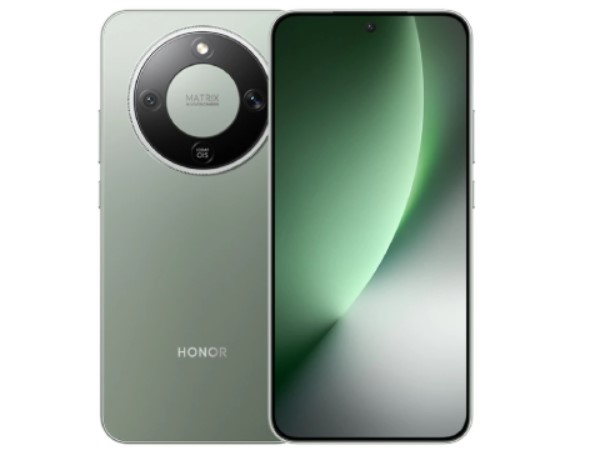
The importance of display brightness becomes obvious the moment sunlight hits your screen. Outdoor environments change constantly, and your phone must respond instantly to remain readable and comfortable to use. Glare, reflective surfaces, and moving light sources make it difficult for screens to stay clear unless they reach the right brightness levels. When brightness performs well, people can keep navigating, capturing photos, or reading information without effort. You can also see how a bright, easy-to-read display adds confidence when choosing a phone for outdoor use. This is why many people appreciate the comfortable viewing experience brought by HONOR devices such as HONOR Magic8 Lite 5g, especially when they rely on their screens throughout the day.
How Brightness Shapes Outdoor Visibility
Why Strong Sunlight Changes What You See
Strong sunlight does more than lighten your surroundings. It washes over the screen and reduces contrast, which limits the details your eyes can pick up. Even simple tasks such as unlocking your phone or reading a message become difficult when the display cannot push enough luminance to compete with the environment. Users often hold their phones at awkward angles or cover the screen with their hands. High brightness solves this problem by creating a clear separation between text, visuals, and background light. Once the phone elevates its brightness outdoors, colors appear more accurate, edges sharpen, and information becomes instantly readable. This clarity helps people stay focused on what they need to do without overthinking how to view the screen.
How Your Eyes Respond to Bright and Dim Conditions
Your eyes constantly adapt to changing light. When you step outside, your pupils constrict, and your visual system expects the objects around you to appear brighter as well. If your phone remains dim, your eyes work harder to interpret the display. Over time, this strain becomes noticeable, especially when checking maps, reading long messages, or browsing under direct sun. When a screen boosts its brightness intelligently, your eyes relax because the device aligns with your natural visual adjustment. Many HONOR phones follow this type of behavior, lifting screen brightness smoothly when users step outdoors. This creates a comfortable viewing flow, even if you frequently move between indoor and outdoor spaces.
Why Color Accuracy Relies on Sufficient Brightness
Colors lose depth under sunlight if the display cannot reach an appropriate brightness level. Reds look faded, blues appear washed out, and dynamic content becomes dull. Outdoor users often rely on accurate colors for quick decisions—checking a label in a photo, reviewing design content, or simply enjoying media. Higher brightness restores color integrity by preserving contrast and differentiating tones. It keeps important visual cues visible even when glare sets in. For creators and casual users alike, this ability ensures that what they see outdoors matches what they intended to capture or edit. A reliable phone display maintains consistent color quality without needing manual adjustments from the user.
Why Outdoor Usability Depends on Good Brightness
How High Brightness Improves Navigation and Travel Use
Navigation apps sit at the center of outdoor smartphone use. When sunlight hits the screen, missing a turn or misreading a route becomes easy if the display is not bright enough. With higher brightness, users can follow their path with confidence. Every instruction remains visible, and on-screen elements stay sharp while walking, driving, or cycling. This matters most in unfamiliar locations where real-time clarity influences decision-making. Many people appreciate HONOR phones because they tune brightness behavior to avoid sudden drops, allowing directions and maps to stay visible throughout an entire trip.
How Brightness Supports Outdoor Photography
When taking photos outdoors, users rely on the screen as their viewfinder. A dim display influences framing, exposure decisions, and focus accuracy. It becomes difficult to judge composition when sunlight overpowers the preview. A bright screen gives photographers a trustworthy representation of their shot. They can adjust angles freely, experiment with different perspectives, and capture fine details without second-guessing what they see. This improves both spontaneous snapshots and carefully planned images. Combined with processing strengths found on HONOR phones, a bright display ensures that what users preview aligns with the final image they capture.
Why Outdoor Productivity Needs a Readable Display
Mobile productivity does not stop when people step outside. Many users check documents, respond to messages, edit quick notes, or handle scheduling tasks while walking between locations. A bright display allows these moments to remain productive instead of frustrating. You can spot important lines in a document, read timestamps, or complete simple edits without slowing down. Even short outdoor interactions feel smoother when brightness remains stable. This reliability makes the phone a practical everyday tool rather than a device that only performs well indoors. HONOR integrates this outdoor-readability mindset into its overall user experience, helping people maintain steady productivity wherever they go.
Conclusion
Display brightness directly influences how comfortably and confidently people interact with their phones outdoors. It affects readability, color accuracy, navigation, photography, and every simple task performed under strong light. A bright, well-tuned display lets users move between different environments without adjusting how they hold the phone or straining their eyes to understand what appears on screen. Reliable brightness becomes part of the daily rhythm of using a phone in open spaces, from navigating busy streets to capturing meaningful moments. When a device responds naturally to sunlight and maintains clear visuals, the outdoor experience remains smooth and dependable. This is why brightness stands as one of the most important factors for real-world usability.