What Makes the Best Battery Life in a Smartphone?
Battery life may make or break your smartphone experience. Nobody wants to be stuck near a charger or carrying a power bank all day. Whether you’re streaming, gaming, or working, a long-lasting battery keeps you connected longer. But what exactly decides how long a phone will stay on a single charge? It’s not only about having a bigger battery; software, hardware, and smart features all play an essential role. This blog delves into the key elements that determine smartphone battery life and how leading manufacturers are designing phones that last longer without sacrificing performance or features.
Key Factors Influencing Battery Life
Battery Capacity (mAh)
Battery capacity, measured in milliampere-hours (mAh), has the most direct impact on how long a phone can run. A greater mAh number often indicates a longer-lasting battery, provided other parameters stay constant. Phones of 5,000 mAh or more generally provide all-day performance with moderate to heavy use. However, capacity alone does not ensure longer battery life. Software optimization, display efficiency, and processor architecture all influence how that capacity is used. Large batteries also add to the phone’s weight and thickness, which makers must balance. Nonetheless, battery capacity remains an important characteristic for those who prefer more screen time and fewer charging sessions.
Processor Efficiency
The CPU, often known as the SoC, has a significant impact on battery usage. Some brands employ lower nanometer technologies (such as 4nm or 5nm) that are more power efficient. These CPUs can execute more operations with less energy, minimizing battery depletion during intensive tasks such as gaming or multitasking. Basic operations, such as surfing or texting, are handled by power-efficient cores, and high-performance cores are used only when necessary. Brands like HONOR have integrated AI to improve work management. A well-optimized processor allows the phone to survive longer, even with a small battery, especially when combined with efficient software.
Screen Size and Resolution
A smartphone’s display is one of its most significant battery drains. Larger displays demand more power, particularly when combined with high resolutions such as Quad HD or 4K. Higher refresh rates (90Hz, 120Hz, or higher) use more energy since they update the screen content more often. OLED and AMOLED displays are more energy efficient than standard LCDs, especially when displaying dark content, thanks to pixel-level illumination. Manufacturers frequently use adjustable refresh rate technology to strike a balance between smooth performance and power efficiency. Choosing a phone with a balanced screen resolution, efficient panel technology, and clever refresh rate control allows you to stretch your battery life without losing visual quality.
How Smartphone Software Affects Battery Life
Power Saving Modes and Features
When the battery’s charge is low, power-saving modes assist in prolonging its life. The majority of smartphones include many battery-saving features, such as restricting background activities, lowering screen brightness, or even converting to grayscale. Smartphones may be reduced to simple devices with simple calls and texts thanks to ultra-power-saving modes. Energy-efficient features, including dark mode, adjustable brightness, and scheduled battery optimizations, are also included. When traveling or in an emergency, these modes are useful because it’s important to save every %. Manufacturers enable consumers to make more intelligent choices to increase usefulness by granting them control over how the phone utilizes power.
App Management and Background Processes
Apps that operate in the background frequently deplete the battery without users knowing. Many smartphones now utilize machine learning to detect and limit battery-intensive apps. Unused or poorly written apps might still use energy while syncing data or using location services. Modern gadgets notify users of abnormal battery use and recommend improvements. Users can manually disable background activities or remove unneeded programs. Proper app management protects battery life while also improving overall performance. Keeping track of which applications use the most power is critical for keeping a smartphone functioning longer.
How Manufacturers Maximize Battery Life in Their Smartphones?
Battery Technology and Innovation
Battery technology is progressing beyond typical lithium-ion cells. Manufacturers are now researching graphene batteries, silicon anodes, and solid-state cells to improve energy density and safety. Fast-charging technology has also advanced, allowing customers to obtain hours of use after only a few minutes of charge. Brands like HONOR are pushing the boundaries with innovations like dual-cell designs and clever charging algorithms. Wireless and reverse charging are more effective than before. New cooling methods also help to maintain thermal performance, ensuring the battery’s efficiency over time. As technological advancements continue, customers benefit from speedier, longer-lasting, and more robust battery systems in current smartphones.
Power-Efficient Components and Features
Every component of a smartphone influences battery life. Power-efficient components, such as LPDDR5 RAM, UFS 4.0 storage, and improved picture processors, use less energy while providing higher performance. Manufacturers use materials and components that strike a balance between speed and battery life. Advanced display drivers, for example, minimize the amount of energy used by the screen, whilst AI-powered camera systems process images quickly while using less power. Audio chips, sensors, and even haptics engines are created with power efficiency in mind. When all internal components are adjusted, total energy usage decreases. This meticulous hardware architecture enables smartphones to give prolonged battery life without sacrificing speed or functionality.
Conclusion
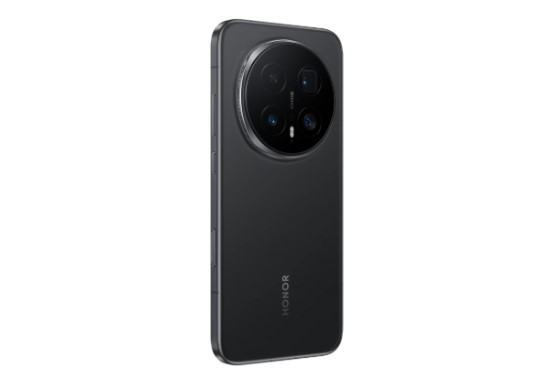
A smartphone’s battery life is determined by a complicated balance of capacity, efficiency, and clever design. A bigger battery can assist, but it is not the sole reason. Efficient CPUs, smart displays, streamlined software, and intelligent hardware all help your gadget last longer. Manufacturers continue to develop by introducing new technology and intelligent features that decrease energy waste and increase efficiency. For example, the HONOR Magic 8 Pro price reflects the advanced features and long-lasting battery life that come with its efficient design. For users, understanding these factors makes it easier to choose a phone that fits their lifestyle. A long-lasting battery isn’t just about numbers—it’s about how well the phone manages its power for real-world use throughout your day.