Banana Tree Fiber: A Complete Guide to the Future of Sustainable Materials
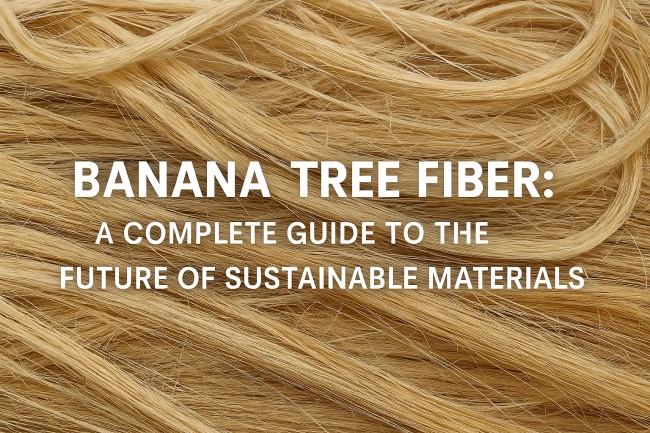
Banana tree fiber is emerging as one of the most promising natural materials in the global shift toward sustainability. Extracted from the pseudostem of the banana plant—an agricultural by-product often discarded—this fiber offers a powerful combination of strength, versatility, and eco-friendliness. As industries search for alternatives to synthetic fibers and environmentally harmful materials, banana tree fiber has captured the attention of textile manufacturers, eco-startups, researchers, sustainable fashion brands, and packaging innovators.
This comprehensive guide explores everything you need to know about banana tree fiber, including its characteristics, extraction process, uses, benefits, challenges, and future potential.
What Is Banana Tree Fiber?
Banana tree fiber, also known as Musa fiber, is a natural bast fiber obtained from the stem of the banana plant. After bananas are harvested, the remaining stem is typically considered waste. However, through simple processing methods, this stem can be transformed into strong, flexible, and biodegradable fiber suitable for a variety of industries.
The fiber appears silky, smooth, and naturally shiny. Its durability and lightweight nature make it comparable to jute, bamboo, and even certain synthetic fibers.
Key Properties of Banana Tree Fiber
Strength and Durability
Banana fiber is known for its impressive tensile strength. The outer layers of the stem yield thick, strong fibers ideal for industrial use, while the inner layers yield softer fibers perfect for clothing and delicate products.
This makes the fiber suitable for high-demand applications like ropes, composite boards, mats, and rigid packaging.
Biodegradable and Eco-Friendly
Unlike synthetic fibers that take hundreds of years to degrade, banana tree fiber decomposes naturally without harming the environment.
Because the raw material is an agricultural waste product, its use reduces landfill load and promotes sustainable farming practices.
Moisture Absorbent and Breathable
Banana fiber has natural moisture-wicking properties. It absorbs and releases moisture quickly, making it an excellent choice for clothing and home textiles in warm climates.
Lightweight With Natural Shine
Despite its strength, the fiber is surprisingly lightweight. Its natural sheen and smooth texture give it a premium appearance suitable for fashion and decorative items.
Extraction Process of Banana Tree Fiber
Harvesting the Pseudostem
The banana plant produces fruit once and then dies. The pseudostem left behind becomes the main source of fiber. Farmers collect these stems immediately after harvest.
Fiber Separation
There are two primary methods of extraction:
-
Mechanical extraction using machines to separate fibers quickly.
-
Manual extraction, also known as hand stripping, which provides higher quality fibers.
Cleaning and Drying
Once separated, the fibers are washed to remove sap and impurities. They are then sun-dried until they reach the desired texture and firmness.
Combing and Spinning
Dried fibers are combed to remove rough particles and then spun into yarn, ready for weaving or industrial use.
Uses of Banana Tree Fiber
Textile and Fashion Industry
Banana fiber is gaining popularity in sustainable fashion. It is used to make:
-
Dresses and tops
-
Scarves and shawls
-
Sarees
-
Handbags and purses
-
Footwear components
Designers appreciate its breathability, elegance, and cruelty-free nature.
Home and Lifestyle Products
Its durability makes it ideal for home items such as:
-
Table mats
-
Curtains
-
Cushion covers
-
Rugs
-
Wall hangings
These products are not only aesthetic but also environmentally responsible.
Industrial and Commercial Applications
The strong fibers from the outer stem layers are perfect for:
-
Ropes and twines
-
Reinforcement material for biocomposites
-
Automobile interiors
-
Eco-friendly construction materials
Industries are increasingly replacing plastics and fiberglass with banana fiber composites.
Paper and Packaging
Banana fiber paper is known for its strength and premium feel. It is used for:
-
Stationery
-
Gift wrapping
-
Specialty packaging
-
Currency-grade paper in certain regions
Its biodegradable nature makes it a powerful alternative to plastic packaging.
Hygiene Products
Because it is absorbent and chemical-free, banana fiber is used to manufacture:
-
Sanitary napkins
-
Baby diapers
-
Medical absorbent sheets
These products decompose faster compared to regular synthetic hygiene products.
Advantages of Banana Tree Fiber
Sustainable and Renewable
Banana plants grow quickly and are cultivated worldwide. This ensures consistent availability of raw material without harming the environment.
Low Production Cost
The fiber comes from agricultural waste, making it affordable and accessible for rural communities and industries.
Promotes Rural Employment
Processing banana fiber creates jobs for farmers, artisans, and small-scale industries, improving local economies.
Eco-Friendly Alternative to Plastics
Banana fiber composites are being used to replace plastic-based products, supporting global sustainability goals.
Challenges in the Banana Fiber Industry
Limited Awareness
Many industries are still unaware of the fiber’s potential, which slows down adoption.
Inconsistent Quality
Manual extraction can lead to variations in fiber quality. Machine-based processing needs improvement to standardize output.
Market Competition
The fiber competes with established materials like jute, bamboo, and synthetic fibers, requiring stronger branding and promotion.
Future Potential of Banana Tree Fiber
Rising Sustainable Fashion Trends
As consumers increasingly prefer eco-friendly materials, banana fabric is set to become a mainstream choice.
Growth in Biocomposites and Packaging
The global push to ban single-use plastics has fueled interest in banana fiber packaging solutions.
Research and Innovation
Ongoing research aims to improve fiber softness, color retention, and mechanical properties.
With improved technology, banana fiber could become a leading material in textiles, automotive components, and biodegradable packaging.
Conclusion
Banana tree fiber represents a perfect blend of strength, sustainability, and versatility. With increasing global demand for eco-friendly materials, this fiber stands out as a cost-effective and environmentally responsible solution. From fashion to construction, from lifestyle products to industrial uses, banana tree fiber has the potential to transform multiple industries while reducing waste and promoting green innovation.
As awareness grows and technology evolves, banana tree fiber is poised to become one of the most valuable natural resources of the future—supporting a cleaner planet and a more sustainable economy.