Environmental Benefits of Choosing Reused BMW Auto Parts Over New
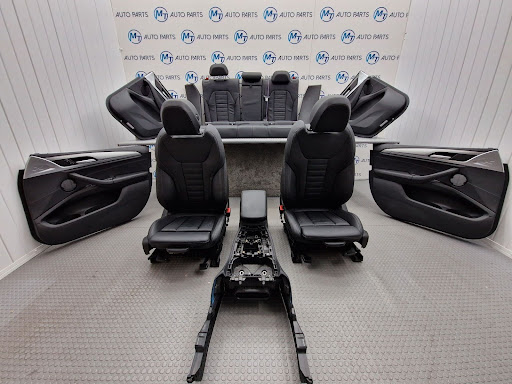
For a long time, sustainability in motoring was framed as a future problem. Electric cars. Charging networks. Big decisions, later on. But for many BMW owners today, the most meaningful environmental choice happens much sooner, the moment something needs repairing.
A headlight cracks. A mirror is damaged. A control unit fails. At that point, the decision is simple but important: buy new, or reuse what already exists. More and more drivers are choosing the second option. And that is a sustainable way to keep our World cleaner place.
Why New Parts Come with a Bigger Environmental Cost Than You Think
When a new BMW part arrives in a box, its environmental impact has already happened. Long before it reaches a workshop, raw materials have been mined, metals refined, components manufactured, electronics assembled and parts shipped across continents.
Studies have shown that reusing an existing car part can reduce carbon emissions by 60% to 80% compared with manufacturing a new equivalent. For large BMW components, complete BMW engines, gearboxes, suspension units, and electronic modules, the saving is often much higher. In simple terms, using a part that already exists avoids most of the emissions altogether.
Modern BMWs Are Resource-Heavy by Design
BMWs are engineered for performance, safety and efficiency. That comes with a trade-off. Modern models rely heavily on aluminium alloys, advanced plastics and complex electronics.
Aluminium production alone can generate up to 10 kilograms of CO₂ for every kilogram produced. Electronic auto parts add further environmental cost due to energy-intensive manufacturing and the use of rare materials.
When owners choose used BMW parts, they sidestep almost all of this impact. The part has already been made. Reuse simply extends its working life.
Vehicle Recycling Is Already Doing the Heavy Lifting
Each year, around two million vehicles are taken off UK roads. Thanks to modern dismantling standards, most of those cars still contain a large number of perfectly usable auto parts.
End-of-Life Vehicle regulations in the UK require at least 95% of a car’s weight to be reused or recycled, which has transformed vehicle dismantling into a structured, regulated industry. Today, the UK vehicle recycling and reuse sector is worth more than £1.5 billion a year.
BMWs make up a significant share of this market, largely because owners tend to maintain their cars longer and expect repairs to be done properly.
Why Reused BMW Parts Often Make More Sense Than Aftermarket
Environmental benefit alone does not explain why reused BMW parts have become so popular. Fitment matters just as much.
BMW models vary by year, engine, trim and facelift. Even small differences can cause problems. BMW auto spares taken from dismantled vehicles are original components that BMW fitted at the factory. That means connectors match, mounting points align, and electronic systems behave as intended.
For items like headlights, body panels, interior trims, control units and drivetrain components, reused originals often prove more reliable over time than cheaper aftermarket alternatives.
Workshops Have Already Normalised Reuse
Independent garages and bodyshops across the United Kingdom have quietly driven this change. Industry surveys indicate that around four in five bodyshops now use second-hand auto parts as part of routine repairs, particularly after accident damage, where insurance depreciation plays a role.
The reasons are practical. Reused parts keep repair costs realistic, reduce waiting times caused by new-part supply delays, and lower the environmental footprint of each job. Customers benefit. Workshops benefit. Waste is reduced.
Making Reuse Simple and Reliable
The growth of reused BMW parts has been supported by specialist suppliers who focus on accuracy rather than volume. Businesses such as MT Auto Parts, a BMW-only dismantler based in South Yorkshire, source original components from modern BMW models and supply them nationwide through an online store.
By specialising in one brand, suppliers like this help ensure used parts are clearly identified, properly described and delivered quickly. For many owners and independent garages, that clarity has made reused BMW parts an easy, confident choice.
Where Reused BMW Parts Deliver the Biggest Environmental Win
Reused parts tend to make the most sense for:
- Headlights and lighting units
- Body panels and bumpers
- Interior trims and seats
- Suspension and drivetrain components
- Engines and gearboxes
Service items and consumables should still be replaced new ones. But for many structural and mechanical parts, reuse offers the best balance of cost, reliability and environmental responsibility.
A Practical Step Towards Lower-Impact Ownership
Choosing reused BMW auto parts is no longer just about cost. It reflects how cars are owned and repaired in the UK — sensibly, realistically, and with a growing awareness of waste.
For BMW owners who want to keep their cars on the road without unnecessary cost or environmental impact, reuse is no longer the alternative option. Increasingly, it is simply the right one.