Why Independent Advisers Are Turning to Support Networks
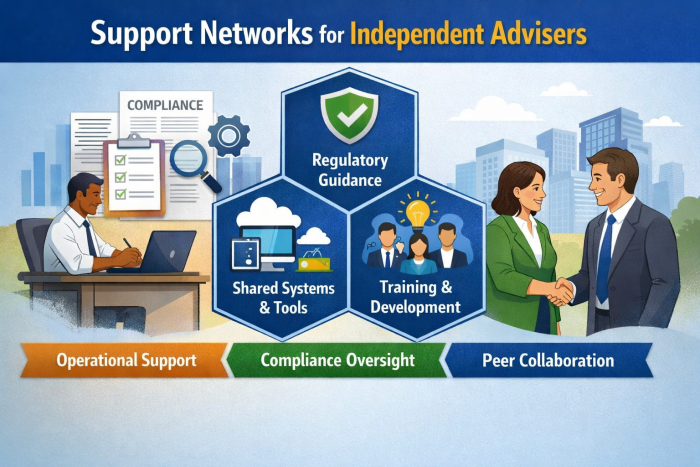
Running an advice based business comes with increasing responsibility. For professionals working in regulated sectors, the balance between client work and operational demands can be difficult to manage alone. This has led many advisers to explore structured support models that help them operate more efficiently without sacrificing independence.
A support network offers this kind of framework. Rather than focusing on products or lending, these networks concentrate on the systems, oversight, and resources advisers need to run a compliant and sustainable business.
Practical support for daily operations
Advisers are often responsible for a wide range of tasks beyond client conversations. Record keeping, regulatory processes, technology management, and ongoing monitoring all require time and attention. Support networks are designed to reduce this pressure by offering established processes and expert guidance.
This allows advisers to spend more time on relationship building and strategic planning, rather than administrative work.
Clear guidance in a regulated environment
Operating within a regulated industry requires constant awareness of changing rules and expectations. Support networks help advisers stay aligned with current standards through structured oversight, regular updates, and access to experienced compliance professionals.
This guidance is particularly valuable for smaller firms and sole traders who may not have in house compliance resources.
Access to shared systems and tools
Technology plays a central role in modern advisory businesses. Many support networks provide access to approved platforms that help with client management, documentation, and internal processes. These systems are typically selected to meet regulatory requirements and improve efficiency.
Using shared, well maintained tools can be more cost effective and reliable than managing multiple systems independently.
Professional development and shared knowledge
Support networks also encourage ongoing learning and collaboration. Advisers benefit from training resources, technical updates, and the opportunity to exchange knowledge with peers facing similar challenges.
This shared expertise helps advisers improve service standards and adapt more confidently to industry changes.
Choosing the right support structure
Not all networks operate in the same way. Advisers should consider how much autonomy they want, the level of oversight provided, and the type of support offered. Transparency around fees, expectations, and responsibilities is also essential.
Understanding how a mortgage support network operates can help advisers decide if this structure aligns with their long term business goals.
A sustainable approach to advisory work
Support networks are not about removing independence. They are about providing the structure needed to operate responsibly in a complex environment. By handling key operational and regulatory elements, these networks allow advisers to focus on delivering consistent, professional advice and building lasting client relationships.
For many independent professionals, joining a support network is a practical step toward long term stability and business confidence.