henry daysh building: A Modern Academic Hub at Newcastle University
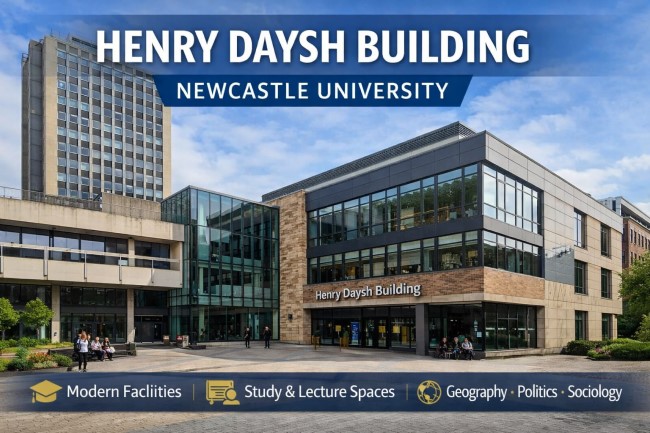
The henry daysh building is one of the most important and recognisable academic buildings at Newcastle University. Known for its modern design, student-focused facilities, and strong academic presence, the building plays a central role in teaching, learning, and research. Since its refurbishment and renaming, it has become a key destination for students studying geography, politics, and sociology, while also contributing to the wider campus experience.
This article provides a detailed, informative, and easy-to-read guide to the henry daysh building, including its history, purpose, facilities, academic importance, and relevance to student life. It also covers the related keyword henry daysh building newcastle to give complete context for readers searching for accurate and reliable information.
History of the Henry Daysh Building
Origins and Early Development
The henry daysh building has its roots in the original Claremont Tower complex, a structure developed during the major expansion of Newcastle University in the mid-20th century. At that time, the focus was on creating practical and durable academic buildings that could support a growing student population.
Originally, the building served as a functional teaching and office space, closely connected to Claremont Tower. While it met academic needs for many years, changes in teaching methods, technology, and student expectations eventually made refurbishment essential.
Refurbishment and Renaming
In 2020, the building underwent a significant refurbishment aimed at transforming it into a modern, flexible, and welcoming academic environment. As part of this transformation, it was renamed the henry daysh building in honour of Professor Henry Daysh, a highly respected figure in the university’s academic history.
The refurbishment retained elements of the original structure while introducing modern materials, improved accessibility, and energy-efficient design. This approach balanced heritage with innovation, resulting in a building suited to contemporary university life.
Architectural Design and Layout
Blending Old and New
One of the defining characteristics of the henry daysh building is how it blends its historic foundations with modern architecture. From the outside, the building reflects its origins, while inside it offers bright, open, and adaptable spaces designed for today’s students and staff.
The interior layout focuses on ease of movement, natural light, and flexible learning areas. Clear signage and open corridors make navigation simple, even for first-time visitors.
Connection to Claremont Tower
A notable feature of the henry daysh building newcastle is its direct physical connection to Claremont Tower. This link allows seamless movement between buildings and strengthens collaboration between departments. It also helps integrate the building into the wider campus network, making it easily accessible from multiple routes.
Academic Role and Departments
School of Geography, Politics & Sociology
The henry daysh building is home to the School of Geography, Politics & Sociology. This academic school brings together disciplines that explore society, environment, governance, and global issues. The building supports both undergraduate and postgraduate teaching, as well as advanced research activities.
Students attending lectures, seminars, and workshops in this building benefit from purpose-designed teaching spaces that encourage discussion, debate, and critical thinking.
Research and Collaboration
Beyond teaching, the building supports research through dedicated offices, laboratories, and meeting rooms. These spaces allow academics, researchers, and postgraduate students to collaborate on projects addressing real-world social, political, and environmental challenges.
Facilities Inside the Henry Daysh Building
Teaching and Learning Spaces
The henry daysh building offers a wide range of teaching facilities, including:
-
Large lecture theatres with modern audio-visual systems
-
Seminar rooms designed for group discussion
-
Flexible classrooms that can be adapted for different teaching styles
These spaces are equipped to support digital learning, presentations, and interactive teaching methods.
Study Areas and Student Spaces
A major highlight of the henry daysh building newcastle is its student-friendly study environment. Quiet study zones, informal seating areas, and collaborative workspaces are spread throughout the building. These areas allow students to work independently or in groups between lectures.
Laboratories and Technical Facilities
For geography and related subjects, the building includes specialised laboratories and technical spaces. These facilities support practical learning, data analysis, and research-based teaching, giving students hands-on experience alongside theoretical study.
On-Site Café
The presence of a café within the henry daysh building adds to its role as a social hub. It provides a convenient place for students and staff to relax, meet, and recharge during busy academic days, contributing to a sense of community within the building.
Importance to Student Life
A Central Academic Hub
For many students, the henry daysh building is more than just a place for lectures. It is a central hub where learning, social interaction, and academic support come together. Its design encourages students to spend time in the building, making it an integral part of daily university life.
Accessibility and Inclusivity
Accessibility was a key consideration in the refurbishment. The building includes step-free access, lifts, and clear layouts to ensure it is welcoming to all students and staff. This focus on inclusivity reflects modern university values and enhances the overall campus experience.
Sustainability and Modern Standards
The refurbishment of the henry daysh building placed strong emphasis on sustainability. By reusing much of the existing structure, the project reduced environmental impact while improving energy efficiency. Modern insulation, lighting, and ventilation systems help create a comfortable internal environment with lower energy use.
This sustainable approach aligns with wider efforts at Newcastle University to reduce carbon emissions and promote environmentally responsible development.
Quick Info About Henry Daysh Building
Quick Facts
-
Name: Henry Daysh Building
-
Location: Newcastle University campus, Claremont Road
-
Renamed: 2020
-
Primary Use: Teaching, research, and student facilities
-
Main Occupants: Geography, Politics, and Sociology students
-
Special Features: Study areas, labs, lecture theatres, café
FAQs About Henry Daysh Building
What is the henry daysh building used for?
The henry daysh building is used for teaching, research, and student study. It hosts lectures, seminars, practical sessions, and provides study and social spaces.
Where is the henry daysh building newcastle located?
It is located on the Newcastle University campus, near Claremont Road, and is directly connected to Claremont Tower.
Which subjects are based in the building?
The building primarily supports geography, politics, and sociology, serving students and staff from these academic areas.
Does the building have student facilities?
Yes, it includes study areas, collaborative workspaces, laboratories, lecture rooms, and an on-site café.
Why is it called the henry daysh building?
The building is named in honour of Professor Henry Daysh, recognising his significant contribution to the development of geography and academic leadership at the university.
Conclusion
The henry daysh building stands as a modern, functional, and student-focused academic space at Newcastle University. Through thoughtful refurbishment, it has evolved from part of an older campus structure into a vibrant centre for learning and research. With its advanced facilities, strong academic identity, and welcoming atmosphere, the henry daysh building newcastle continues to play a vital role in shaping the educational experience of students today.