Slow Motion Car Crash Housing Market: Understanding the Gradual Collapse and Its Future Impact
Introduction — A Crisis Unfolding in Slow Motion
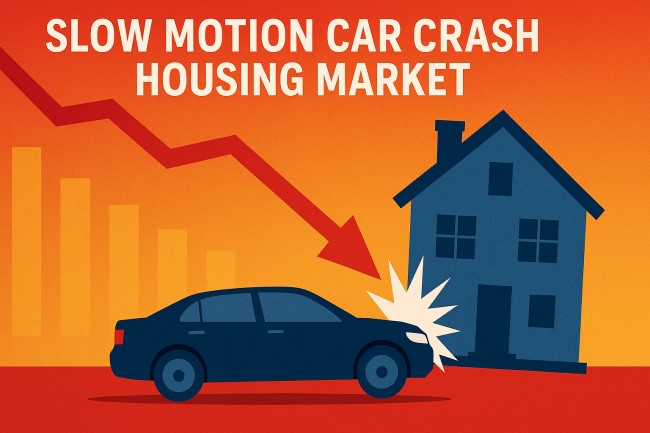
The phrase “slow motion car crash housing market” describes a property sector that is not collapsing overnight, but is instead experiencing a drawn-out decline. This kind of downturn appears subtle at first—prices stop rising, transactions fall, and buyer confidence weakens. Over time, the pressure builds until the entire system shows visible cracks. Unlike sudden financial crashes, this type of decline is gradual, predictable, and often far more damaging because many people do not see it coming until it is too late.
The global housing market today shows several warning signs that reflect this slow-burn collapse. High interest rates, affordability challenges, stagnant incomes, and rising construction costs have combined to put enormous strain on both buyers and sellers. This article explains the key drivers, symptoms, and future implications of a slow-motion crash, helping readers understand what is happening and how they can prepare for what comes next.
What Is a Slow Motion Car Crash Housing Market?
A Gradual Decline Instead of a Sudden Crash
A slow-motion housing crash refers to a market that deteriorates steadily rather than sharply. Prices do not fall drastically in a single year; instead, they stagnate or decline slowly across multiple quarters. Sales activity drops, mortgage approvals fall, and signs of distress appear across various sectors of real estate.
Why the Term “Slow Motion Car Crash” Fits
Just like watching a real car crash unfold in slow motion, the damage becomes obvious only when the impact is already unavoidable. The market gives many advance warnings, but because the decline is spread out over time, most people underestimate the seriousness of the situation.
Key Factors Driving the Slow Motion Car Crash Housing Market
Rising Interest Rates
Higher borrowing costs directly reduce affordability. When mortgage rates rise, monthly payments increase sharply, forcing many potential buyers out of the market. This leads to fewer transactions and gradual downward pressure on home prices.
Stretched Affordability
In many countries, house prices have grown faster than wages for years. This results in:
-
Higher price-to-income ratios
-
Difficulty for first-time buyers
-
Increased dependence on savings or family support
When affordability becomes unsustainable, demand weakens and the market slows.
Declining Buyer Confidence
A housing market relies heavily on consumer psychology. When buyers feel uncertain about the economy, interest rates, or job stability, they delay big purchases. Low confidence reduces demand, contributing to slower sales and reduced price growth.
Supply and Demand Imbalance
In some regions, too many homes are listed for sale while buyers remain cautious. In others, construction slows due to high material costs and labor shortages. Both scenarios create instability that fuels a drawn-out market decline.
Economic Pressures on Households
Inflation, rising living costs, and stagnant salaries increase financial stress. Families that previously managed mortgage payments with ease now struggle to keep up. Over time, this may lead to higher default rates or forced sales, adding downward pressure on prices.
Warning Signs of a Slow Motion Housing Crash
Falling Sales Volume
A housing market slowdown usually begins with a sharp drop in transaction numbers. Homes take longer to sell, and sellers must cut prices or accept lower offers.
Price Stagnation or Gradual Decline
Instead of dramatic price falls, the market experiences:
-
Flat price growth
-
Small quarterly declines
-
Reduced bidding wars
-
More price reductions on listings
These subtle signs accumulate and reveal weakening demand.
Increased Mortgage Delinquencies
As economic pressure grows, more households miss payments. Initially, the numbers may be small, but they increase over time, signaling deep financial strain.
Investors Pulling Back
Property investors tend to react quickly to market changes. When rental yields fall or financing becomes expensive, they exit the market, accelerating the downturn.
Effects of a Slow Motion Car Crash Housing Market
Impact on Homeowners
Homeowners may experience:
-
Falling home equity
-
Difficulty refinancing
-
Challenges selling at desired prices
-
Risk of negative equity
Those who bought at peak prices face the greatest pressure.
Impact on Buyers
Buyers benefit from:
-
More negotiating power
-
Increased housing supply
-
Lower competition
However, high interest rates and uncertain conditions still limit affordability.
Impact on Investors
Investors must deal with:
-
Lower profit margins
-
Higher mortgage costs
-
Reduced rental demand in some areas
A slow-motion crash often reshapes investment strategies toward long-term, lower-risk properties.
Impact on the Economy
Housing markets influence entire economies. A long-term decline can lead to:
-
Decreased consumer spending
-
Lower construction activity
-
Banking system stress
-
Weakening job markets in real estate, finance, and construction
Because housing is deeply connected to financial stability, a drawn-out downturn may have widespread consequences.
How to Navigate a Slow Motion Housing Crash
For Buyers
-
Focus on long-term affordability, not short-term price trends
-
Get pre-approved for mortgages
-
Avoid emotional purchasing
-
Look for high-value locations, not just cheap prices
For Homeowners
-
Reassess refinance options
-
Build an emergency fund
-
Avoid over-leveraging
-
Consider renting out extra space if needed
For Investors
-
Prioritize cash flow over appreciation
-
Diversify across markets
-
Focus on areas with strong rental demand
-
Maintain a conservative debt strategy
Future Outlook — What Comes Next?
A Soft Landing Is Possible
If interest rates fall gradually, the market may stabilize without a dramatic crash. Prices may flatten for years rather than collapse.
A Deeper Decline Could Unfold
If economic conditions worsen, the slow decline may become a significant correction. This scenario includes:
-
Larger price drops
-
Rising foreclosures
-
Reduced new construction
Cyclical Recovery Over Time
Housing markets eventually recover, but recovery from a slow-motion crash often takes longer than from a sudden downturn because confidence is rebuilt slowly.
Conclusion — Prepare, Don’t Panic
The slow motion car crash housing market is a serious but predictable phenomenon. Rather than a dramatic overnight crash, the decline happens gradually, allowing buyers, homeowners, and investors time to prepare. Understanding the causes, warning signs, and long-term implications helps individuals make informed decisions and protect their financial future. With careful planning, patience, and smart strategy, market participants can navigate this challenging period and position themselves for future opportunities.