How to Build a B2B Lead Scoring Model? Beginning to Advanced Guidelines for Better ROI
Running a business means meeting lots of people. Some want to buy from you, others just look around. But the problem is you can’t spend the same time with everyone. You need to know who is ready to buy now.
That is where lead scoring helps you. You can think of it like a game. Every prospect gets points according to quality. The more points they have, the more interested they are. You should focus on people with the most points first.
When you sell to other businesses, this matters even more. Business sales take longer, so you need to be smart about who you call first.
What Is A B2B Lead Scoring Model and How It Works?
A B2B lead scoring model is a point system. It helps you rank potential customers. Every time someone shows interest, they get points. More points mean they are more likely to buy.
Here’s how it works:
- Someone visits your website: they get 5 points
- They download your guide: they get 15 points
- They ask for a price: they get 30 points
But points aren’t just about actions. They are also about who the person is. A small bakery won’t buy your factory equipment, but a large food company might. So you give more points to people who fit what you sell.
Your scoring system looks at two things:
- Who is this person? (Their company, job, industry)
- What are they doing? (Visiting pages, opening emails, asking questions)
When you add these together, you get their score. High scores go to the top of your list. Your sales team calls them first. These people are most likely to say yes.
This saves everyone time. Salespeople don’t waste hours on cold calls. Interested buyers get help faster. The best part? Once you set it up, it runs automatically. Points add up without anyone doing extra work.
Nowadays, B2B lead scoring can be done by hiring agencies like CallingAgency, so you can get rid of in-house hassle and reduce costs.
Different Types of B2B Lead Scoring Models
Different businesses need different scoring systems. Here are the main types you can use.
Basic Point System
This is the easiest one to start with. You pick what actions matter. Then you give them point values.
Example:
- Visit pricing page = 10 points
- Download guide = 20 points
- Request demo = 50 points
Add up all the points. That’s their score. Simple and easy to understand.
Demographic Scoring
This focuses on who the person is, not what they do.
You give points based on:
- Company size
- Job title
- Location
- Industry type
Let’s say you sell hospital software. Someone who works at a hospital gets high points. Someone at a retail store gets low points.
Job titles matter too. A Director can make buying decisions. An Assistant might just be researching for their boss.
Behavior Scoring
This tracks everything people do.
Common actions that earn points:
- Visiting your website
- Opening your emails
- Clicking links
- Watching videos
- Attending webinars
- Downloading files
Someone who does lots of these things is really interested. You can also track timing. Someone who visited yesterday is more interested than someone who visited six months ago.
Predictive Scoring
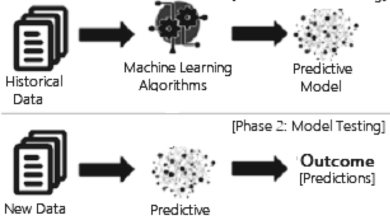
This uses computer programs to find patterns. The software looks at your past customers. It finds what they had in common before they bought. Then it looks for those same patterns in new leads.
It’s like the computer saying, “This person looks like others who became customers.” This needs more technology. But it can be very accurate.
Negative Scoring
Sometimes you subtract points instead of adding them.
You take points away when:
- Someone unsubscribes from emails
- They haven’t visited in months
- They work at a company that’s too small
- They don’t fit what you sell
This helps you avoid wasting time on wrong matches. Most businesses mix several types together. This gives you the best results.
How to Build a B2b Lead Scoring Model Step by Step?
Ready to build your own system? Follow these simple steps.
Step One: Look At Your Best Customers
Make a list of your favorite customers. These are people who buy a lot and stay with you for years.
Ask yourself:
- What do they have in common?
- What size are their companies?
- What industries do they work in?
- What job titles do they have?
Write down everything these customers share. This shows you what to look for in new leads. Also, think about how they acted before buying. Did they visit your website many times? Did they download guides? These actions are clues.
Step Two: Decide What Information Matters
Pick which details really matter for your business.
This might include:
- Company size
- Industry type
- Job title
- Location
- Budget
Then list actions that show interest. Website visits, email opens, demo requests. Don’t track everything. Pick 10 to 15 things total. Too many factors make things complicated.
Step Three: Give Everything A Point Value
Now assign points to each factor. Important things get more points.
Example setup:
Company size:
- 100+ employees = 20 points
- 50-99 employees = 10 points
- Less than 50 employees = 0 points
Job titles:
- Director or VP = 15 points
- Manager = 10 points
- Other titles = 5 points
Actions:
- Visit pricing page = 15 points
- Download guide = 10 points
- Open email = 5 points
- Request demo = 30 points
Don’t worry about perfect numbers. You can change them later.
Step Four: Set Your Score Levels
Decide what different scores mean.
Example levels:
- 0-30 points = Cold lead (not interested yet)
- 31-60 points = Warm lead (showing some interest)
- 61-100 points = Hot lead (very interested)
- 100+ points = Super hot lead (ready to buy)
Give these levels easy names. Some companies use hot, warm, and cold. Others use A, B, C, D. Pick what’s easiest for your team.
Step Five: Test Your System
Before going all in, test it first. Take 20 or 30 recent leads. Score them using your new system.
Check if:
- The scores make sense
- High scores match who your sales team likes
- The numbers feel right
Show results to your salespeople. They talk to customers every day. They’ll know if your scoring matches reality. Make changes if something seems off.
Step Six: Put It Into Action
Once testing looks good, start using it for real. Make sure your sales team knows how it works.
Set up automatic actions:
- High-scoring leads go to salespeople right away
- Low-scoring leads go into email campaigns
- Medium-scoring leads get follow-up calls
This saves time and catches people at the right moment.
Step Seven: Keep Improving It
Your system isn’t finished forever. Check on it regularly.
Look at it every three months. See how it’s working.
Ask these questions:
- Are high-scoring leads becoming customers?
- Are we missing good leads?
- Are we wasting time on bad leads?
Talk to your sales team often. They’ll tell you what’s working and what’s not. Change your point values based on what you learn. Your system will get better over time.
Different Types of Tools Used For B2B Lead Scoring
You need software to make scoring easy. Here are the main tools people use.
Customer Relationship Management Systems
These are called CRM systems. They store all your customer information in one place. Most modern CRMs include lead scoring features.
Popular options:
- Salesforce
- HubSpot
- Pipedrive
You set up your scoring rules once. Then the system calculates scores automatically. It tracks website visits, email opens, and form submissions. Points add up without you doing anything.
Marketing Automation Platforms
These tools send the right messages at the right time. Many include lead scoring, too.
Common choices:
- Marketo
- Pardot
- ActiveCampaign
They connect to your website and email system. They track what people do and calculate scores automatically.
Some can take action based on scores. High scorers get personal emails. Low scorers get monthly newsletters.
Analytics Tools
Software like Google Analytics tracks your website activity.
You can see:
- Which pages do people visit
- How long do they stay
- What they click on
These tools don’t score leads by themselves. But they give you the information you need. You can connect them to your CRM to share data.
Specialized Scoring Software
Some companies make tools just for lead scoring.
Examples include:
- Infer
- Lattice Engines
- Everstring
These use artificial intelligence to find patterns. They analyze huge amounts of data. Then they predict which leads will buy. They cost more money. But they can be worth it if you have many leads.
Spreadsheet Programs
Don’t forget about spreadsheets. Excel or Google Sheets work great when starting out. You can create your own scoring system with formulas. As you enter information, scores calculate automatically.
This works well when you are learning. Once you get hundreds of leads, upgrade to better tools because the right tool depends on your needs. So, start simple and grow as you get bigger.
Conclusion
Lead scoring makes your sales process work better. You focus time where it matters most. The key is starting simple. Look at your best customers. Find what they have in common. Build a basic point system around those patterns.
Test your model out and get feedback from your sales team. Keep adjusting and upgrading until it feels right. As your business grows, your scoring model should grow too. What works today might need changes next year.