Blue vs. Amber Glass Bottles for Light Protection
Introduction
Glass bottles are not containers only. They are very imperative in safeguarding the contents within against the environmental factors such as light. In the case of products like essential oils, beer, pharmaceuticals and cosmetics, exposure to light and in particular the ultraviolet (UV) light may negatively affect the quality and shelf life.
This is why the selection of the glass bottle color is important. This paper is a comparison between two common options: Blue vs. Amber Glass Bottles, in which we examine the differences between the two, the way each type of bottle prevents the damage of its contents caused by light, and the places in which the bottles are the most effective.
We also examine the production of glass bottles and the manner in which manufacturers address special requirements.
Why Light Protection Matters in Packaging
Light and light, especially the sunshine, has UV rays and high-energy visible radiation. The chemical changes may take place in the bottle when products are exposed to these rays. These changes may:
- Break down sensitive ingredients
- Alter aroma or taste
- Cause color fading
- Reduce potency or nutritional value
This is a general issue in pharmaceutical, cosmetic, oil, and beverage industries. Particularly sensitive products include beer or essential oils since light may cause reactions that destroy active compounds. The color of the glass bottles assists in regulating the amount of light that is received by the contents. Blue vs. Amber Glass Bottles is a critical comparison that a person should readily make when choosing the type of glass that will best preserve his product.
How Glass Color Influences Light Protection
The tint of color significantly enhances protection as does the fact that glass itself has some protection against light. The most protection is the least protection provided by clear or flint glass where most of the light, both visible and UV, can pass through.
Colored glass absorbs the wavelengths of incoming light to minimize exposure, such as blue or amber. The issue of color is not only cosmetic, but also dictates the extent of UV and visible light penetration into the glass.
As a general trend:
- Darker tints block more UV light
- Amber tends to block a wider range of light wavelengths
- Blue offers moderate protection but less than amber
The selection of the appropriate color represents a combination of the protection requirement and design and brand objectives.
Characteristics of Blue Glass Bottles
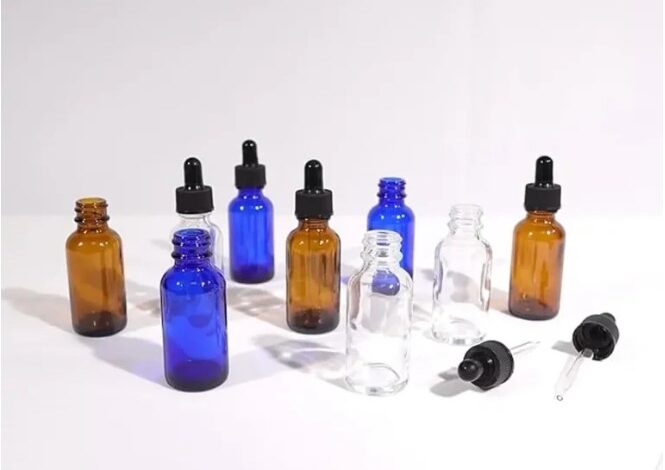
Blue glass bottles are characterized by the unique look and medium protection of light. The additives used in production are normally cobalt oxide which can result in the blue tint. These bottles:
- Provide moderate UV protection
- Filter portions of visible light
- Look visually appealing and stylish
Blue glass may be a good solution to products that can be better served by the reduction of light but not the most shielded product. To illustrate, blue bottles can be an excellent solution to the problem of certain cosmetics, beauty oils, or beverages which are sensitive to visible light, but not that sensitive to UV damage.
The bold color also contributes towards the brands being noticed in shelves. One should remember that even though blue glass will reduce the amount of light entering the house better than clear glass, it still permits more UV to enter than amber.
This renders it inappropriate in products with high degree of light sensitivity which require high UV protection.
Strengths of Glass Bottle Manufacturer – Ruisen Glass
When using colored glass bottles (blue or amber), it is crucial to collaborate with the correct supplier. Glass Bottle Manufacturer – Ruisen Glass is one of the long-time partners in the custom glass packaging solution. Being a professional glass bottle producer, Ruisen plans, manufactures, and markets a broad variety of bottles of spirits, beverages, cosmetics, and other products. They offer bottles in transparent, coloured and custom colours to suit functional and branding requirements. Ruisen Glass has automated production lines and also offers OEM/ODM services in the custom sizes, shapes, colors and decorative finishes. They produce bottles that satisfy international markets in the protection and aesthetic aspect with high technology and quality control.
Why Amber Glass Is a Preferred Choice for Protection
In most applications amber glass bottles provide safest protection to UV and damaging visible light. The amber color absorbs a wide range of light, particularly the UV light that is capable of breaking chemical compounds. As a result:
- Amber glass blocks a higher percentage of UV light than most other tints
- It helps preserve product potency
- It extends shelf life for sensitive liquids
Due to this added security, amber bottles are often used in the following:
- Pharmaceuticals and supplements
- Essential oils
- Beer and other beverages sensitive to light
- Organic or botanical product formulas
The glass amber is also of the traditional and natural look which most of the brands apply to mean quality and heritage. Its efficiency and aesthetics ensure that it is a standard in the industry when it comes to light protection and its importance.
Choosing Between Blue and Amber Glass Bottles
The choice between blue and amber is reduced to product sensitivity, brand positioning, and audience. The following are some of the points to take into consideration:
- Degree of Protection: Amber typically provides more protection against UV and visible light than blue.
- Product Sensitivity: Amber is used on very photosensitive formulas (such as essential oils or pharmaceuticals). Application of blue in moderately sensitive formulae where visual branding is important must be used.
- Appearance: The blue bottles have a high-quality design that is unique. Amber implies safety and conservatism.
- Recyclability: The amber and the blue glass can be completely recycled and therefore can be considered sustainable packaging options.
You can balance between these criteria and align the protection requirements with the customer expectations and brand image.
Conclusion
The choice of blue and amber glass bottles is not just a matter of style. It can influence the durability of your product to the light, the way the product will age and how the product will look to the buyers.
Amber glass is usually the best to go with the high protection features against the bad rays whereas blue glass balances on both beauty and middle protection. Cooperation with an experienced producer of glass bottles will guarantee quality and personalization that will meet the requirements of your product.
Knowing the characteristics of each type of glass, you will be able to make smart packaging decisions and safeguard your product as well as build a stronger brand.